
Travel Guide
Sapa Tourist Map: Your Guide To Vietnam’s Mountain Gem
Dec
Introduction To Sapa Tourist Map
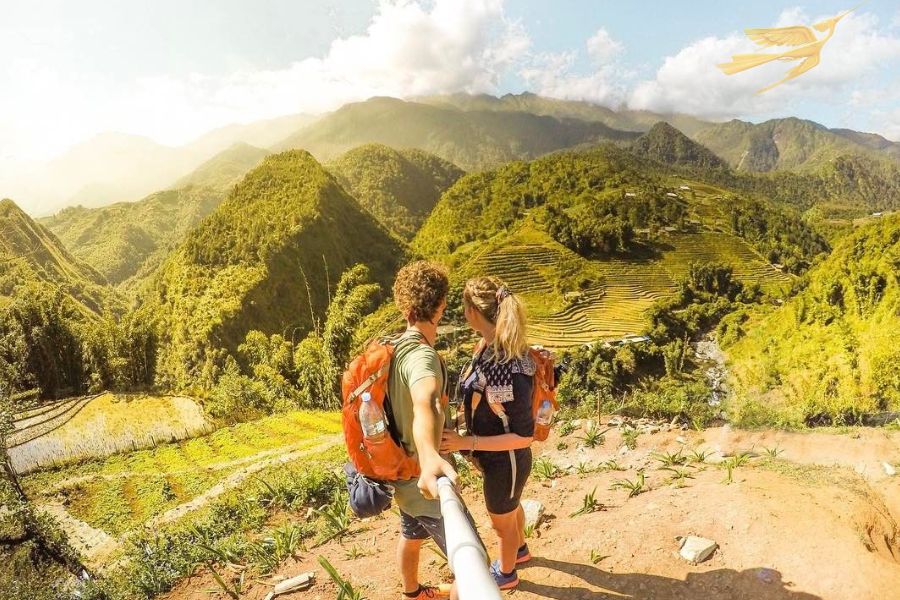
Planning your trip to Sapa? The Sapa tourist map is your best friend for navigating this stunning highland paradise in Vietnam. Nestled amid rice terraces and ethnic villages, our Sapa Vietnam tourist map highlights every must-see spot, from Fansipan Peak to hidden waterfalls. It is expected to facilitate your adventure.
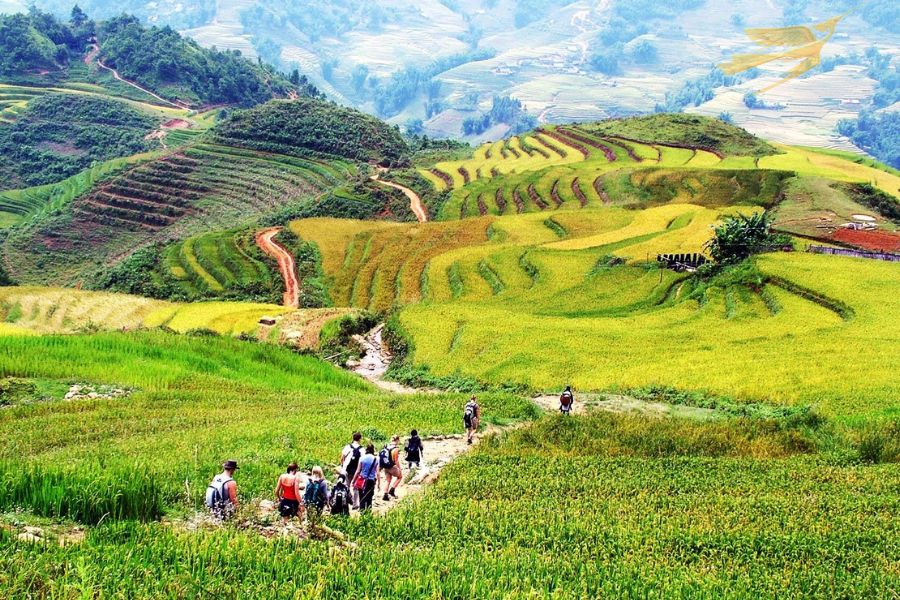
As you know, Sapa sits on Vietnam’s northwest edge. It’s about 380 km from Hanoi, at 1,600 meters for crisp, misty air. Our tourist map of Sapa shows its prime spot near the Chinese border, perfect for treks and views.
Moreover, dive into our interactive Sapa tourist attractions map, featuring toggleable layers: attractions in red pins, villages in blue, and color-coded routes for easy planning. Plus, we update it seasonally to reflect trail conditions.
Essential Getting There And Orientation
Before discovering all the spots in a Sapa tourist map, how can we get to Sapa? First, tourists can reach Sapa via an overnight bus. It costs around 300,000-500,000 VND per person, with 6 hours of transferring. You can depart from Hanoi at around 7-9 PM.
Another choice is the combo of train and bus. You can catch a scenic train to Lao Cai then shuttle (400,000 VND total). Book via apps like 12Go for reliable schedules. Private car services from Hanoi to Sapa or Sapa to Hanoi are also available at around $37/person.

After arriving at Sapa, where can we start? Our Sapa town tourist map centers on the iconic Stone Church (built 1895), with streets fanning out to hotels, cafes, and trailheads. Use it to orient from the bus station just 1 km away.
Also, to enjoy your transport to Sapa better, you should prepare for variable weather and make sure you pack all the essentials with you.
💡 Quick checklist:
- Layers for 5-25°C
- Rain jacket and hat
- Sturdy boots
- Insect repellent
- Passport copy
- Cash (ATMs scarce)
- Power bank
- Reusable water bottle
Top 10+ Attractions On Sapa Tourist Map
Mind you, Sapa is a land of wondrous landscapes and rich cultural heritage. Thus, it’s a must-visit destination in northern Vietnam. To truly appreciate the diversity and beauty of this region, pinning the key sights on your Sapa tourist map will help you navigate effortlessly and make the most of your visit.
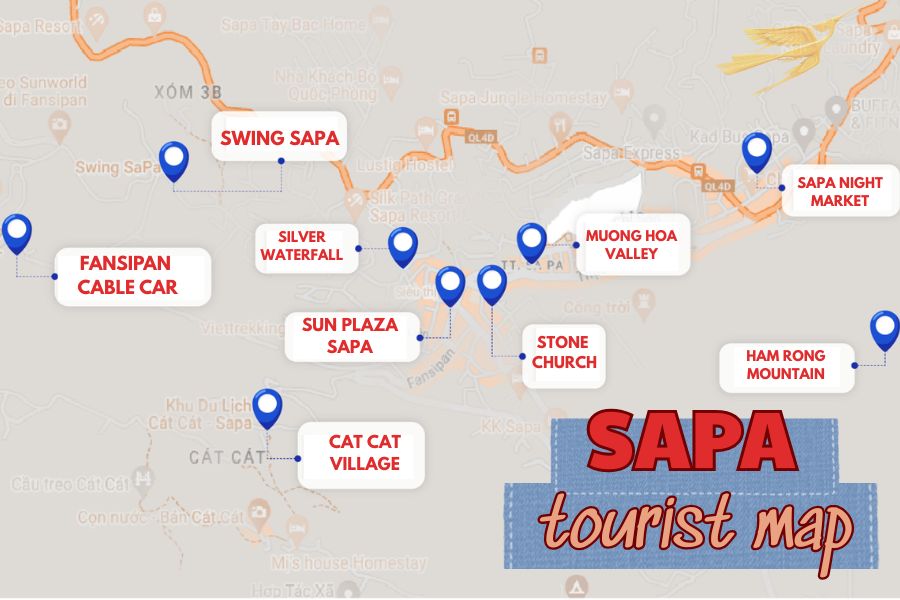
From the towering heights of Fansipan Peak to the lush terraced fields of Muong Hoa Valley, and from charming ethnic villages to cascading waterfalls, each destination offers a unique experience that connects you with nature and local culture.
Are you a trekking enthusiast? Or a casual explorer? Our guide will direct you to the top attractions worth visiting, complete with location details and practical tips.
Fansipan Peak And Cable Car
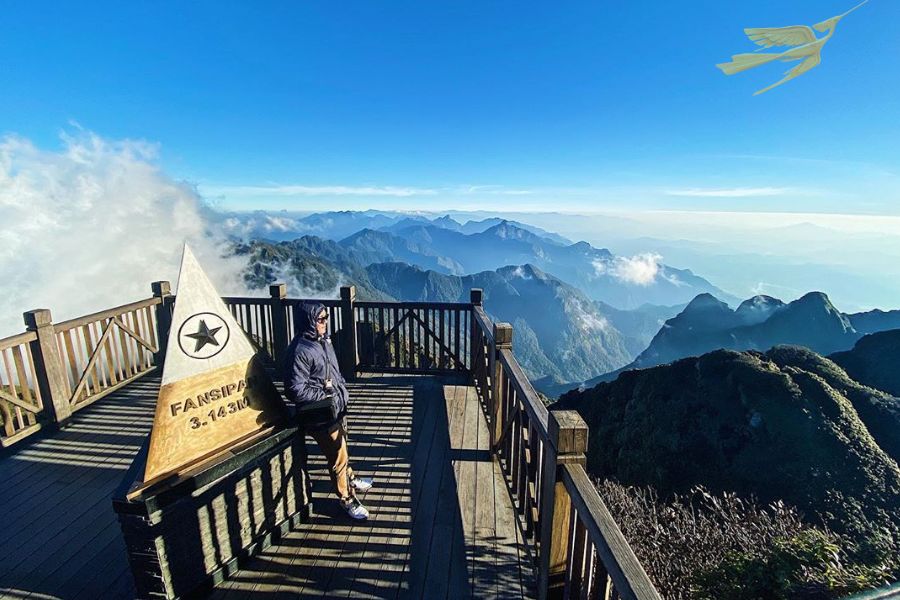
Locate Fansipan Peak easily on your Sapa tourist map, pinned 9km southwest of Sapa town in Hoang Lien commune, at the edge of Hoang Lien Son National Park. As the “Roof of Indochina,” towering 3,143 meters, it promises thrill-seekers and casual visitors alike an epic ascent with jaw-dropping rewards.
We recommend starting your day early at the Fansipan cable car station. It’s Asia’s longest three-rope system, spanning 6km in just 15 minutes. Tickets cost 715,000 VND for adults (525,000 VND for children) per round-trip. It operates from 8:30 AM to 3:30 PM daily.
On this ride, you will glide over pristine forests, misty valleys, and terraced fields, spotting rare orchids and birds en route. At the mid-station (2,200m), visitors will explore gardens and pagodas. Then, hop on the Muong Hoa mountain train (extra fee of 99,000-150,000 VND). Or, climb 600 steps for 20 minutes to the summit.
At the Fansipan Peak, tourists will feel the thin air, wind whipping around the iconic metal triangular marker and the Vietnamese flagpole. This spot is perfect for victory selfies amid sea-of-clouds vistas.
Moreover, you can experience pure exhilaration here: panoramic sweeps of Sapa’s rice paddies and distant Laos mountains. In winter, you may luckily see snow. Also, in spring, tourists can admire blooming rhododendrons. Meanwhile, autumn sees golden terraces. All seasons have something for you.
💡 Travel tips for your Fansipan cable car ride:
- Book tickets online via Sunworld to skip lines
- Wear layers (5-15°C at top, windy), sturdy shoes, and motion-sickness meds.
- Go post-rain for the clearest views. You can combine with the nearby Tram Ton Pass for a full-day loop.
- Avoid afternoons for fog. Join dawn rides to catch sunrise magic.
- Hydrate, move slowly at altitude, and descend by 3 PM to beat crowds.
Muong Hoa Valley And Ancient Rock Field
On your Sapa tourist map, the Muong Hoa Valley sits about 8 kilometers southeast of Sapa town. It offers a captivating blend of natural beauty and ancient mystery.
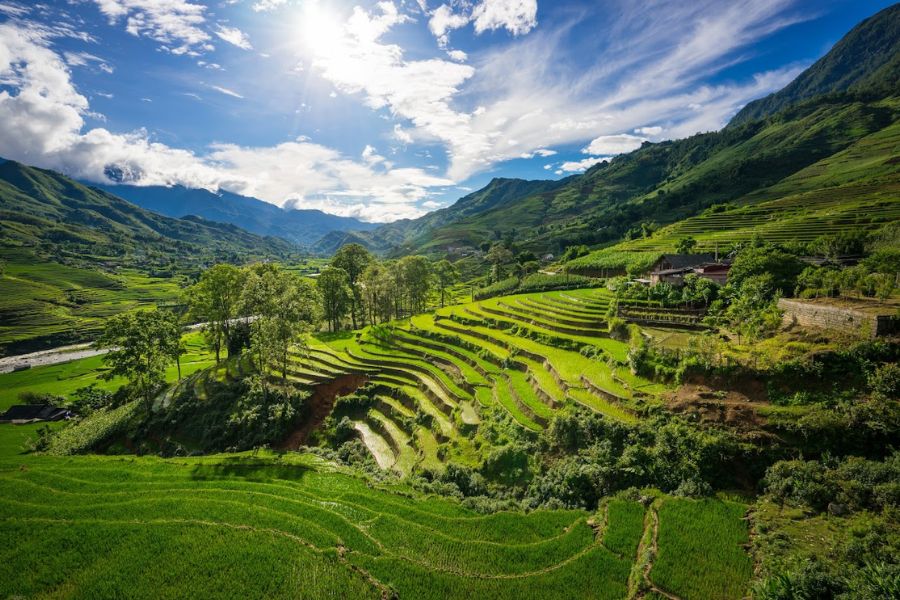
Known for having Vietnam’s largest terraced rice fields, this valley is spectacular year-round. It showcases lush green paddies in spring and brilliant golden hues in autumn. As you trek through the valley, the winding Hoa Stream adds tranquility to the vivid landscape.
One of the valley’s unique highlights marked on the Sapa tourist attractions map is the Ancient Rock Field. This place is home to nearly 200 large volcanic stones covered in enigmatic carvings. These petroglyphs date back up to 900 years, depicting parallel lines, human figures, animals, and possibly ancient maps of the valley. The origins remain unknown, lending an air of mystery that intrigues visitors and scholars alike.
Plus, visitors typically experience peaceful walks amidst vibrant rice terraces while contemplating these ancient symbols. Sound like a perfect combination of natural wonder and cultural heritage. You can also interact with local ethnic groups such as the H’Mong and Dao who live in surrounding villages, enhancing the immersive experience.
💡 Some tips for Muong Hoa Valley adventure:
- For your Sapa tourist map itinerary, start early to avoid midday heat and take comfortable walking shoes.
- Between September and November is ideal for golden views and harvest festivals.
- Bring water, sun protection, and a camera to capture the stunning terraces and ancient stones.
- The site may have access restrictions during conservation efforts, so check the current opening status before you go.
Ham Rong Mountain
Spot Ham Rong Mountain prominently on your Sapa tourist map. It’s just 500 meters to 3 km behind the Stone Church in central Sapa town. This place is also part of the Hoang Lien Son range at 1,800 meters.
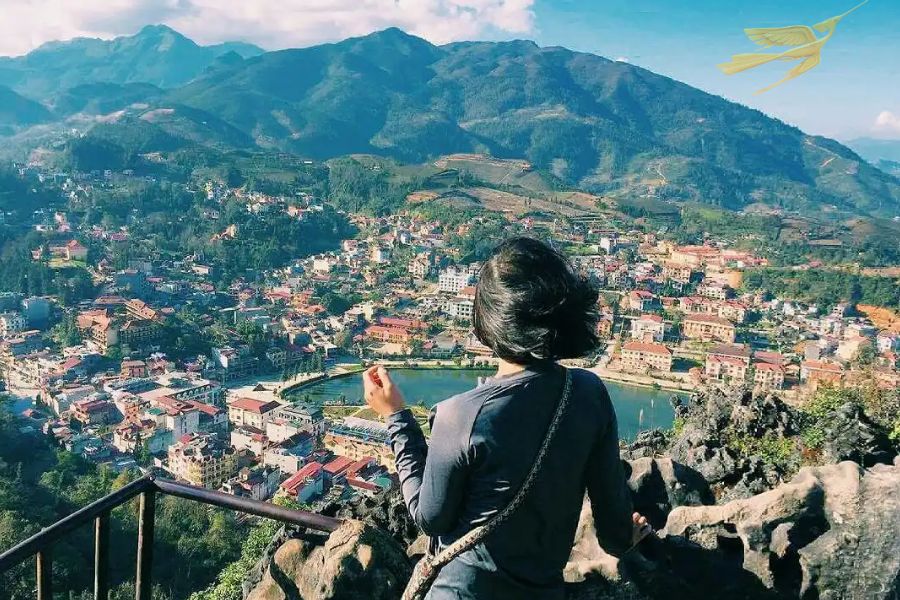
It’s named “Dragon’s Jaw” for its mythical shape. This place also boasts an eco-tourism park that spans 150 hectares, blending wild nature with cultural exhibits since its 1996 development. Here, tourists can experience a magical ascent via stone steps and winding trails (1-2 hours up). You will pass orchid gardens with 6,000 species, cherry blossoms, hydrangeas, and fruit orchards like peaches and plums.
Furthermore, reach Cloud Yard (San May) and Heaven’s Gate for panoramic 360° views of Sapa town, misty valleys, Muong Hoa terraces, and floating clouds. The views are especially stunning at sunset when the lights twinkle below.
Don’t forget to discover the Stone Forest’s dragon-claw rocks, caves, and ethnic minority displays. Legends of dragon lovers add romance, with traditional music echoing through the mist.
In general, this location is ideal for all fitness levels. It offers fresh air, photo ops, and a “heaven on earth” vibe without strenuous treks.
💡 Travel tips for your Ham Rong Mountain exploration:
- Entry is 70,000-100,000 VND (adults)
- It’s open daily 7 AM-5 PM.
- To expand your visit, walk from the church (easy 10-15 mins) or taxi/motorbike.
- Go early morning or late afternoon to dodge crowds and fog.
- Wear comfy shoes for 300+ steps, bring water, a light jacket (cooler up top), and a camera.
- Combine with Cat Cat Village for a half-day loop.
- Avoid rain for slippery paths. Remember to check the weather via apps.
O Quy Ho Pass (Tram Ton Pass)
Trace O Quy Ho Pass (also called Tram Ton Pass) on your Sapa tourist map. It stretches 50km along National Route 4D from Sapa town westward into Lai Chau Province, through the Hoang Lien Son range at up to 2,000m elevation. Known as one of Vietnam’s “Four Great Mountain Passes,” this dramatic route offers hairpin turns, misty cliffs, and “Heaven’s Gate” viewpoints for epic panoramas.
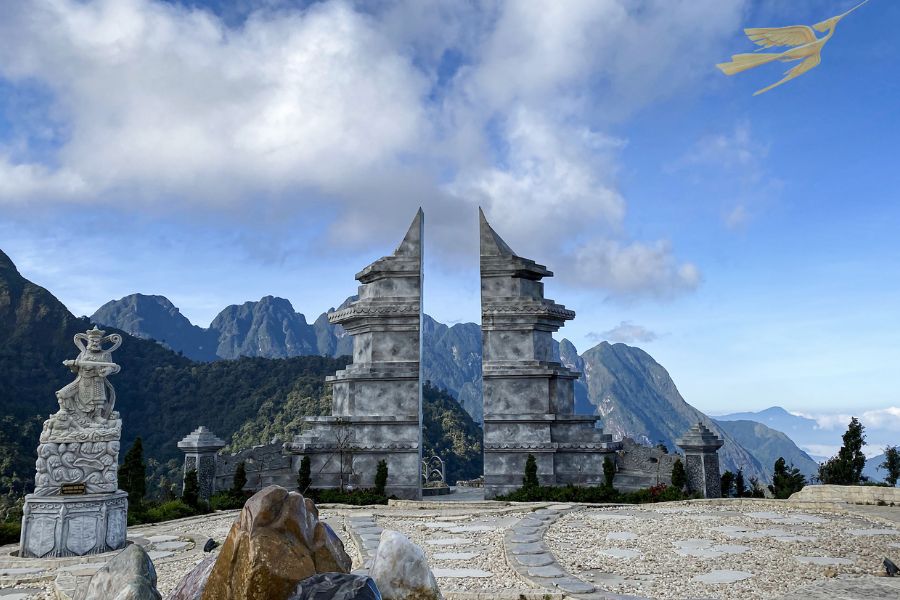
Tourists can experience heart-pounding drives or motorbike rides amid swirling clouds, lush forests, and distant Fansipan glimpses. The best part is stopping at O Quy Ho Heaven’s Gate (2,300m summit) for sea-of-clouds vistas, Bac and Love Waterfalls cascading nearby.
Also, you can see the thrilling Sapa Glass Bridge. This is 60m long and 500m high, offering glass-floor walks, bungee jumps, and ziplines. You will experience the thrill of conquering curves with wind-swept valleys below. Most especially, the vistas will be much more gorgeous at dawn when mist rises like a dreamscape.
It’s a photographer’s paradise, blending adventure with serenity. No entry fee, just pure scenic immersion.
💡 Travel tips for your visit to O Quy Ho Pass:
- Rent a motorbike (200,000 VND/day) or join tours (500,000-1M VND) from Sapa.
- Drive cautiously on wet roads.
- Best September-November for clear skies and golden terraces.
- Early morning beats crowds and fog.
- Pack rain gear, warm layers (chilly at top), snacks, and fuel up.
- Combine with Silver Waterfall for a 1-day loop (4-6 hours).
- Professionals can handle curves while beginners should go guided for the best safety.
Waterfalls: Silver, Love, Tien Sa
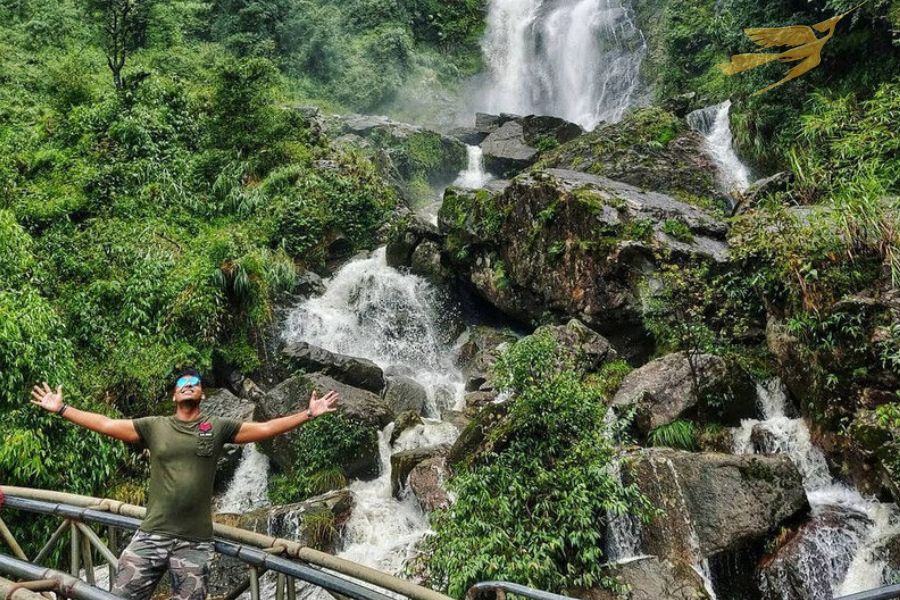
Pin the top 3 refreshing cascades on your Sapa tourist map for nature escapes:
- Silver Waterfall (Thac Bac) lies 12-15km north on Highway 4D in San Sa Ho commune.
- Love Waterfall is near Cat Cat Village, 2km from the town.
- Tien Sa Waterfall is close to the remote Ban Ho village, 20km away via trails.
Silver Waterfall is 200m high and 1,800m above sea level. So tourists can experience thunderous silver-white waters crashing from O Quy Ho Pass cliffs into frothy pools amid pine forests and flower fields. You can also hike stone stairs to three platforms for misty spray and rainbows.
In addition, Love Waterfall enchants with heart-shaped pools and gentle flows through bamboo groves. This spot is ideal for picnics and swims in summer.
On the other hand, Tien Sa offers multi-tiered drops in lush valleys. Here, you can hear roaring waters and spot birds in the Tay minority lands.
At each waterfall, tourists can relish the cool mist and enjoy photo opportunities from Ham Rong overlooks. The serene vibes here contrast with Sapa’s bustle. So they’re perfect for half-day refreshers.
💡 Travel advice when visiting Sapa waterfalls:
- Entry 20,000-70,000 VND for each waterfall.
- They’re open 7AM-5PM.
- Motorbike from town (takes 30 mins to Silver, scenic via 4D) or taxis at 300,000 VND round-trip.
- Best rainy season (May-October) for full flow. If you want a light flow, go in the mornings.
- Wear non-slip shoes and bring rain ponchos.
- Please stay safe by avoiding swimming edges.
- Combine Silver with O Quy Ho Pass, Love Waterfall with Cat Cat trek.
- We recommend guided tours as they’re safer for Tien Sa remoteness.
Ethnic Villages Cluster
Discover the Ethnic Villages Cluster on our Sapa tourist map, where vibrant H’mong, Giay, Dao, and Red Dao communities thrive amid terraced fields and misty valleys. We guide you through Cat Cat’s stone paths and handicrafts, Lao Chai-Ta Van’s scenic treks, Ta Phin-Sin Chai’s herbal baths, and Y Linh Ho-Ban Ho’s authentic trails.
The descriptions below will equip you with map pinpointed routes and cultural insights to immerse deeply, crafting unforgettable journeys beyond the ordinary. Let’s dive in with us.
Cat Cat Village
Nestled just 2km from Sapa town on our tourist map, Cat Cat Village offers you an immersive Hmong cultural experience amid misty valleys and terraced fields.
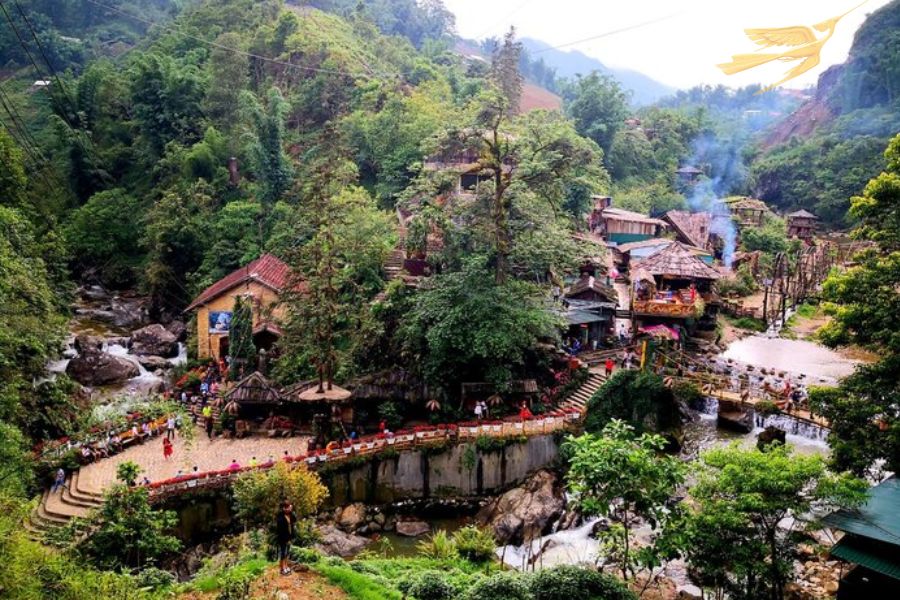
To discover this village, tourists should wander stone paths lined with handicraft stalls showcasing woven textiles and silverwork. Then, cross the chain bridges to Tien Sa Waterfall. You can also watch giant bamboo water wheels creak rhythmically as they pound rice. Finally, peek into traditional stilt houses with three-door architecture blending stone and wood.
💡 Some tips for a smooth visit:
- We recommend entering via the ornate gate (150,000 VND for adults).
- Arrive early in the morning to avoid crowds.
- Catch cultural shows at 9-11 AM or 2-4 PM.
- Hike 1-2 hours comfortably in sneakers.
- Bring cash for souvenirs to support locals, insect repellent, and a light jacket for breezy trails.
- Overnight homestays deepen authenticity, pairing rice wine tastings with valley sunsets for unforgettable memories.
Lao Chai And Ta Van Village
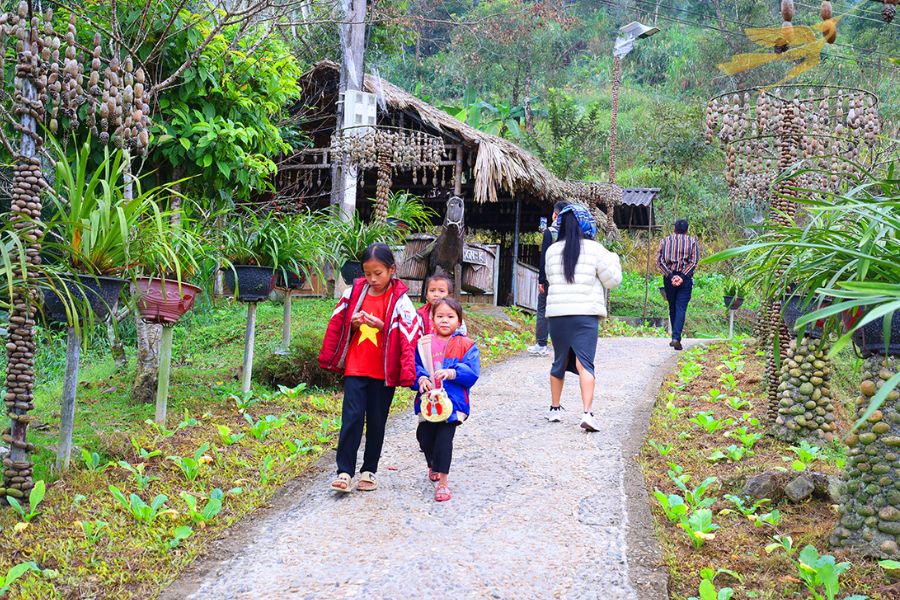
Next, you can explore Lao Chai and Ta Van. It’s 7-12km from town in Muong Hoa Valley. Here, Black Hmong and Giay communities welcome you with terraced rice fields shimmering like golden mirrors in harvest season (September-October). Or, you can admire silver steps during watering (April-May).
Also, don’t miss out on trekking scenic paths past stilt houses, bamboo forests, and Muong Hoa Stream’s silk-like flow. This is the best way to capture panoramic views of Ham Rong Mountain and Fansipan Peak.
Plus, visit highland markets for vibrant brocade textiles, local cuisine, and cultural interactions in these poetic, mist-shrouded hamlets.
💡 Recommendations for tourists:
- We suggest 4-6 hour treks starting from Sapa (motorbike/taxi to trailhead), best February-April for plum blossoms or harvest gold.
- Wear sturdy shoes, rain gear, and bring cash for homestays offering rice wine and authentic meals.
- Entry fees are around 75,000 VND.
- Hire local guides for hidden spots and stories. This helps avoid peak weekends for serene immersion.
Ta Phin And Sin Chai Village
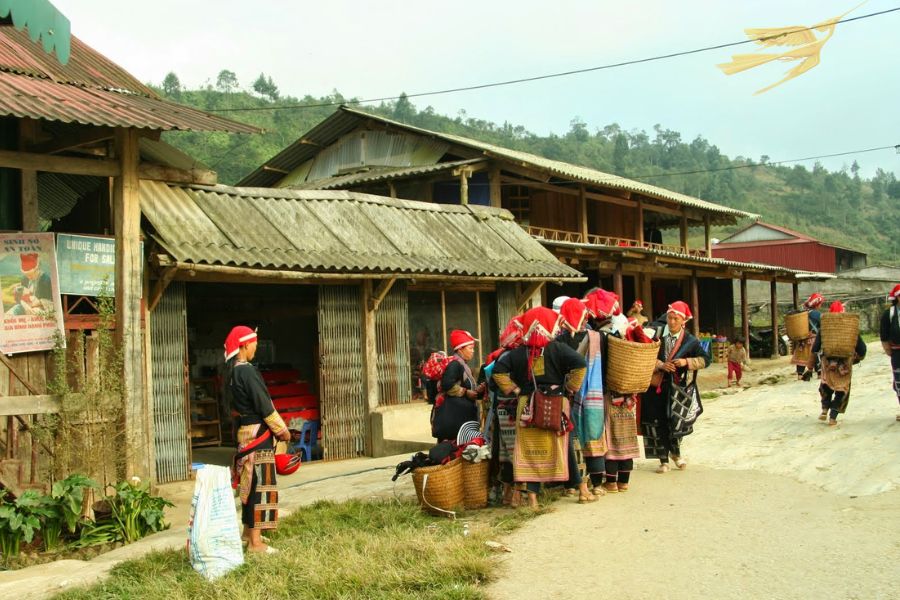
Moreover, you can add to your tourist map of Sapa the villages Ta Phin and Sin Chai. They’re 12-17km northeast of town amid rice terraces and Hoang Lien Son foothills. Most especially, these locations are home to Red Dao and Black Hmong locals.
In Ta Phin, visitors can indulge in steaming Red Dao herbal baths using 30+ medicinal plants for skin health and relaxation. Plus, it’s interesting to browse Hmong brocatelle weaving and silver crafts at family workshops. You can also explore mossy Ta Phin Cave’s sparkling stalactites shaped like fairies and animals.
On the other hand, Sin Chai Village offers serene treks through unspoiled Black Hmong hamlets, misty fields, and authentic daily life glimpses.
💡 Helpful advice for travelers:
- We advise taxi or motorbike (30-45min, rugged roads).
- It’s best to go in the mornings for baths (200,000-300,000 VND) and with fewer crowds.
- Trek 2-4 hours with sturdy shoes, a rain poncho, and cash for souvenirs/meals like Hmong sour soup.
- Hire Red Dao guides for cave safety and cultural insights.
- Homestays provide immersive evenings with embroidery demos.
Y Linh Ho And Ban Ho Village
Y Linh Ho and Ban Ho Villages are also worth visiting. They’re 5-7km from town in Muong Hoa Valley, enveloped by Hoang Lien Son mountains and lush terraced fields. What’s more, tourists can relish winding streams where Black Hmong and Dao locals reside in bamboo stilt houses.
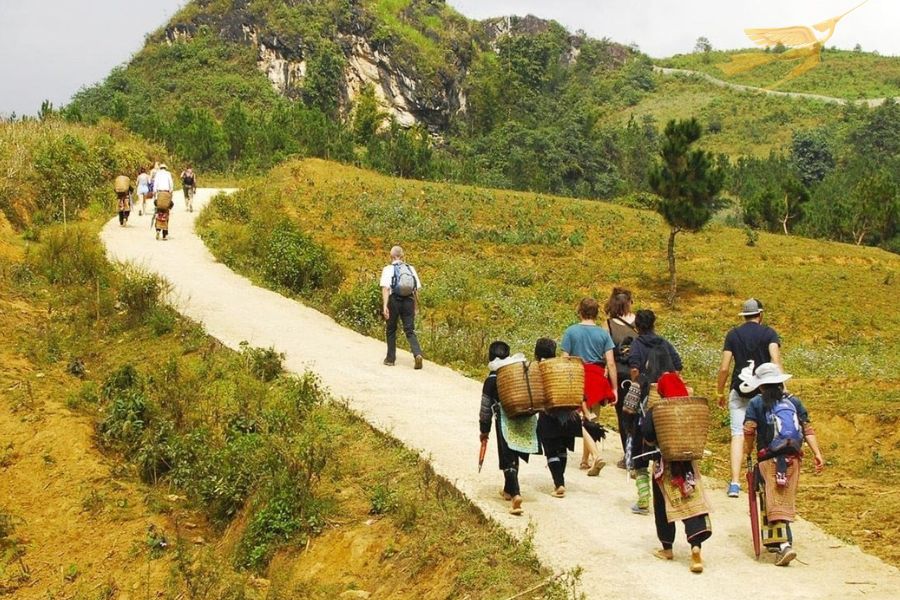
Come to Y Linh Ho Village to trek scenic paths through golden rice terraces in the harvest season from September to October. Plus, many find it enjoyable to explore cornfields and the poetic Muong Hoa Stream, crossing suspension bridges for panoramic valley views toward Fansipan Peak.
Furthermore, it gives opportunities to observe daily life, like brocatelle weaving workshops and ethnic markets vibrant with handicrafts. Ban Ho Village will extend your adventure with serene Dao hamlets, wilder trails, and authentic homestay immersions amid unspoiled nature.
💡 More suggestions for tourists:
- We recommend 3-5 hour hikes from Sapa (walk, bike, or motorbike).
- The ideal time to visit is from May to June for water-filled terraces or harvest gold.
- Wear trekking shoes, rain gear, and carry water/cash for meals like thang co.
- Hire Hmong guides for safe paths and cultural exchanges.
- Early starts beat crowds.
- Overnight homestays offer rice wine evenings and weaving lessons.
Markets And Nightlife
Moreover, add markets in Sapa and vibrant Sapa nightlife spots to the Sapa town tourist map itinerary for evening adventures blending culture, shopping, and drinks:
- Sapa Night Market (Dien Bien Phu Street, near Stone Church): Enjoy handicrafts, ethnic textiles, grilled skewers, and sticky rice from Hmong/Dao stalls. Live music and dances are also available on weekends.
- Sapa Love Market (weekends only): Romantic hub for local meets, brocade, silverware, folk songs, and apple wine tastings.
- Cau May Walking Street: Relish street food like smoked buffalo and herbal teas. Opportunities for souvenirs and to feel the performer’s vibes.
- H’mong Sisters Bar: Cozy fireside rock music, pool, BOGO drinks.
- Color Bar: Reggae cocktails, lively chats.
- BB Sky Lounge: Panoramic views, premium drinks.
💡 Travel Tips:
- Arrive at dusk (5 PM) for fewer crowds.
- Carry cash as card payments are rare.
- Please haggle politely.
- Layer clothes for chilly weather.
- Don’t forget to sample rice beer/apple wine moderately at altitude.
- Check hotel schedules for dances.
- Please note that bars close at midnight. But it’s also an ideal chance for stargazing.
Suggested Itineraries On Sapa Tourists Map
Follow our Sapa tourist map overlays for these popular itineraries tailored for varying timeframes and interests. Take a quick look at our itinerary recommendation:
- 1-Day Town Loop: Stone Church → Ham Rong → Cat Cat (10km, easy).
- 2-Day Valley Trek: Sapa → Muong Hoa → Lao Chai/Ta Van homestay (15km moderate).
- 3-Day Adventure: Day 1 Fansipan cable; Day 2 passes/waterfalls; Day 3 villages.
For a more comprehensive view, let’s go into details about what you do and see on each itinerary option as follows:
1-Day Town Loop (10km, Easy)
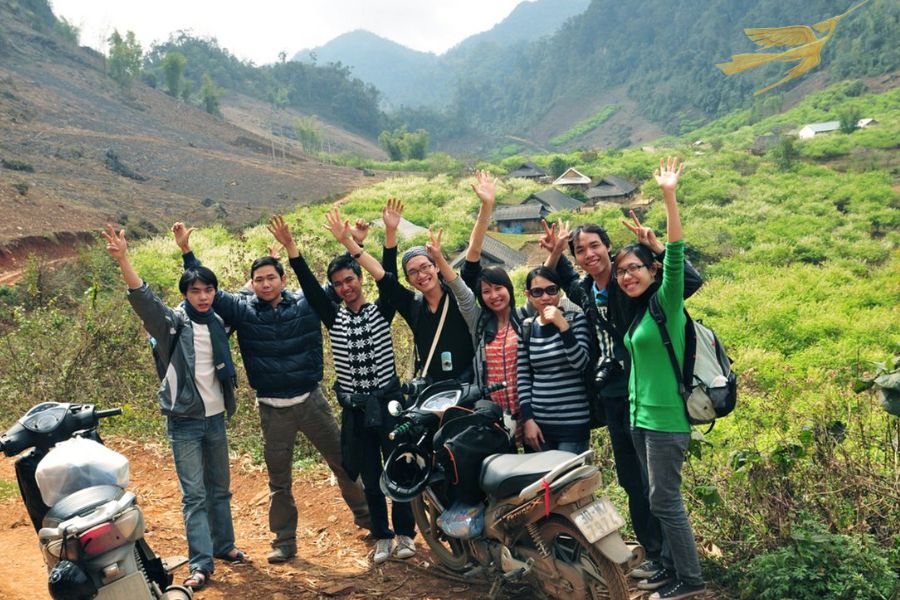
This one-day trip is at a beginner level, with 10 km of exploration around Sapa Town. Start at the iconic Stone Church in Sapa town center, a colonial-era landmark with picturesque surroundings.
Later, walk to Ham Rong Mountain, where lush gardens and panoramic town views await. Then venture further to Cat Cat Village, just a few kilometers away. Here, you will immerse yourself in traditional Hmong culture and handicrafts. You can also see the natural beauty of waterfalls and rice terraces.
This loop is ideal for travelers seeking a gentle introduction to Sapa’s charm without strenuous trekking.
2-Day Valley Trek (15km, Moderate)
This 2-day visit offers the chance to discover not only Sapa Town but also the surrounding locations such as Muong Hoa Valley and Lao Chai/Ta Van Village.
Begin in Sapa town and descend into Muong Hoa Valley. Then, trek through scenic, terraced rice fields and cross footbridges over flowing streams. The trek covers moderate elevation changes and stunning rural landscapes.
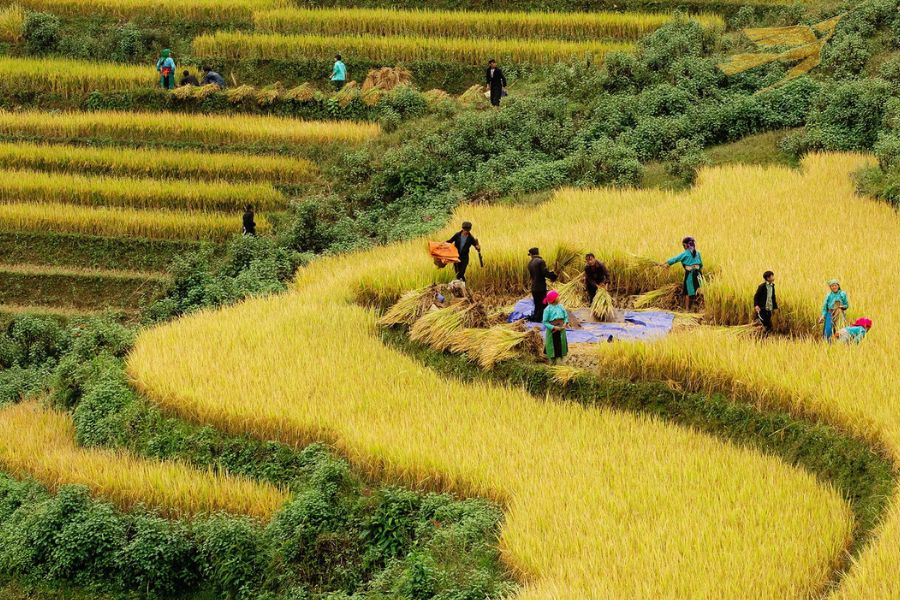
To wrap up a day, spend a night in a Lao Chai or Ta Van homestay for authentic cultural experiences with the locals. Day two offers opportunities to explore more villages and interact with locals, perfect for culture and nature lovers.
3-Day Adventure
If you want to embrace more of Sapa, 3-day adventure is just right for you. Day 1 takes you on the Fansipan cable car ride to Southeast Asia’s highest peak. Visitors will take in the magnificent mountain vistas.
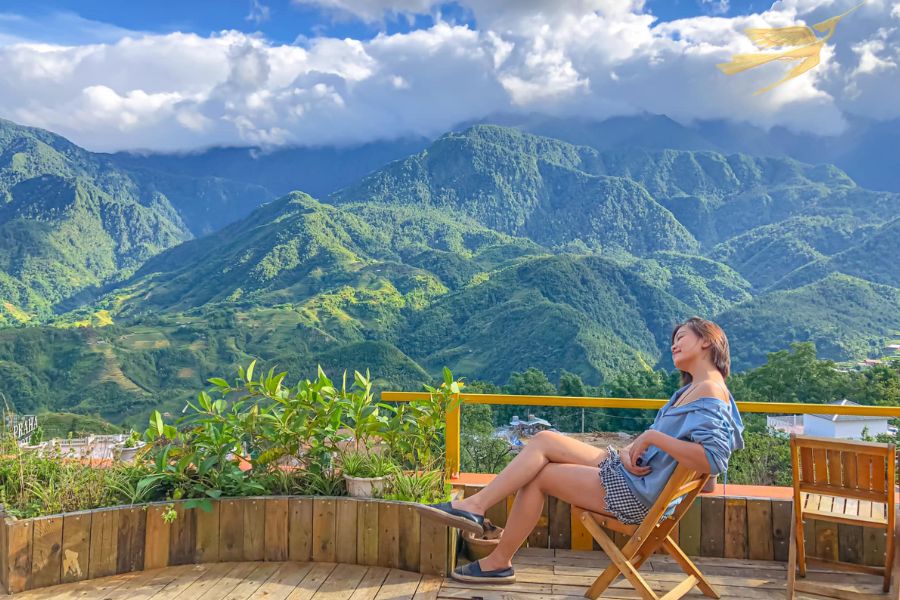
Day 2 focuses on passes and waterfalls like Silver and Love Falls. These landscapes bring spectacular natural sights with moderate hiking.
On Day 3, visit ethnic villages such as Ta Phin, Sin Chai, Y Linh Ho, and Ban Ho for deep cultural immersion and trekking through pristine landscapes.
Practical Budget Tips And Culinary Map
Navigating Sapa smoothly and savoring its local flavors are vital parts of your travel experience. We will give you essential cost estimates for transport, meals, guides, and attractions. So you can budget effectively.
What’s more, our culinary map highlights must-try dishes and trusted eateries to immerse in authentic mountain gastronomy. In addition, detailed tips ensure respectful, safe, and eco-friendly adventures that benefit local communities.
| Item | Cost (VND) | What To Know |
| Attractions | 100,000 – 800,000 | Entry fees usually cover ethnic villages, scenic sites, and cultural shows. Prepare cash, as some small vendors don’t accept cards. |
| Transport (Hanoi-Sapa) | 300,000 – 500,000 | Choose from express buses, trains, or private cars. Book in advance for the best rates and comfort. |
| Meals/Homestay | 200,000 – 500,000/day | Enjoy home-cooked specialties while staying in ethnic homestays. Prices vary with comfort level. |
| Guide | 500,000/day | Hiring English-speaking local guides enhances cultural understanding and supports the community. |
✨ Culinary highlights to try:
- Thang co: A savory horse meat stew slow-cooked with local herbs, a revered traditional dish offering mountain flavors.
- Com lam: Bamboo-cooked sticky rice, smoky and aromatic, perfect as a snack or meal accompaniment.
- A Phu restaurant near the Stone Church is pinned on our culinary map for reliably delicious local dishes and vibrant atmosphere.
✨ Final travel thoughts for tourists:
- Hire local guides for safety and richer insights.
- Stick to marked trails to preserve landscapes.
- Avoid single-use plastics to protect the pristine environment.
- Carry small change for markets and eateries to support village vendors directly.
- These practices ensure unforgettable experiences that respect Sapa’s cultural heritage and natural beauty.
Conclusion
With our detailed Sapa tourist map, your journey to this stunning mountain region becomes more hassle-free and memorable. Plan your routes to explore ethnic villages, terraced fields, waterfalls, and vibrant markets with ease.
Sapa Private Car hopes that our map guides you through Sapa’s natural beauty and rich heritage, turning your travel into an amazing experience. Begin your Sapa adventure today and savor every moment. Thanks for reading.