
Travel Guide
Lao Chai Village: A Local Guide to Sapa’s Heart

Jul
Introduction
If you are looking for the classic, mist-shrouded northern Vietnam landscape, you have to leave the bustling hotels of the town center behind. The moments that stick with you always happen down in the valley where the air smells like woodsmoke and the mountains open up. That is exactly where you will find Lao Chai Village, a vibrant Black Hmong community hugging the slopes of the Muong Hoa Valley.
Unlike Cat Cat Village, which can feel a bit like a manicured theme park, Lao Chai is a living, working agricultural hub. It rewards travelers who take their time. Walking along the mud-packed tracks, watching water buffalo graze against the sharp drop of the hillsides, and seeing indigo fabrics drying in the mountain breeze gives you a real look into high-altitude rural life.
Planning a self-guided day trek, a motorcycle loop, or an overnight homestay here? Let’s look at the exact trail logistics, current entry fees, and cultural boundaries you need to know before you head down the valley.

Where Is Lao Chai Village and How Do You Get There?
Lao Chai sits roughly 7 to 9 kilometers southeast of Sapa town in Lao Cai Province. It acts as the western gateway to the magnificent Muong Hoa Valley, flanked by the jagged peaks of the Hoang Lien Son mountain range.
If this is your first time navigating the region, grab a physical or offline version of a Sapa tourist map before you go. Cell service gets incredibly spotty once you drop below the main valley ridge line.

To get from Sapa to Lao Chai Village, you have three main paths, each altering how you experience the landscape.
The Classic Trek (Recommended)
This is the absolute best way to experience the valley. Most travelers follow the old road out of town before cutting down dirt paths through Y Linh Ho village. Hiking allows you to see the landscape shift gradually from pine ridges to sheer walls of mud-walled terraces.
It takes about 2 to 3 hours of steady walking to reach the heart of Lao Chai. And most hikers push onward to experience the riverside charm of Ta Van Village in a single day.
Motorbike Independent Ride
Renting a bike gives you total freedom. But you need real confidence on two wheels. The main road heading down into the valley is paved but steep. It’s also plagued by sharp switchbacks, potholes, and occasional gravel patches. If it has rained recently, the red clay tracks off the main road turn into slick sheets of grease.
Check our local breakdown on Sapa bike rental rules to make sure you grab a semi-automatic bike with solid brakes rather than a weak automatic scooter.

Private Car or Taxi
If you are traveling with children or want to skip the strenuous downhill knee-burn, a private car or local taxi will cost you around 100,000 to 120,000 VND one-way from Sapa town.
Keep in mind that cars must park at the designated drop-off points near the valley road. You will still need to walk down the steep concrete tracks to access the actual bamboo houses and homestays along the riverbed.
Try our Sapa car rental service, such as Sapa to Lo Lo Chai Village private car or Sapa to Bac Ha Market private car, to get smooth private trips without transfer hassles.

Lao Chai Village Entrance Fee
There is significant misinformation online stating that entering Lao Chai is entirely free. To clear this up: while the village roads themselves do not have individual ticket booths at every house, you must pass through the main Muong Hoa Valley toll outpost located on the road out of Sapa town.
Note on ticket fee:
On a critical note regarding the budget, the stated Lao Chai village entrance fee of 75,000 VND for adults is outdated. The official unified ticket fee for the Muong Hoa Valley trekking route (covering Y Linh Ho, Lao Chai, and Ta Van) is 150,000 VND per adult. It is worth noting that while older blogs still quote the lower price, travelers will face the higher fee at the main checkpoint, so the article should be updated to reflect current pricing.
Keep this paper ticket on you at all times. Park rangers and local authorities occasionally check them at the suspension bridges connecting Lao Chai to the surrounding trail systems. If you book a structured tour through a local agency, double-check that this fee is explicitly bundled into your upfront cost.
Carry plenty of physical cash in small denominations (10,000 to 50,000 VND notes). The local artisans selling hand-embroidered hemp textiles do not take card payments, and you will want cash for a hot bowl of soup or a cup of herbal tea along the trail.
When Are the Rice Terraces Green in Lao Chai?
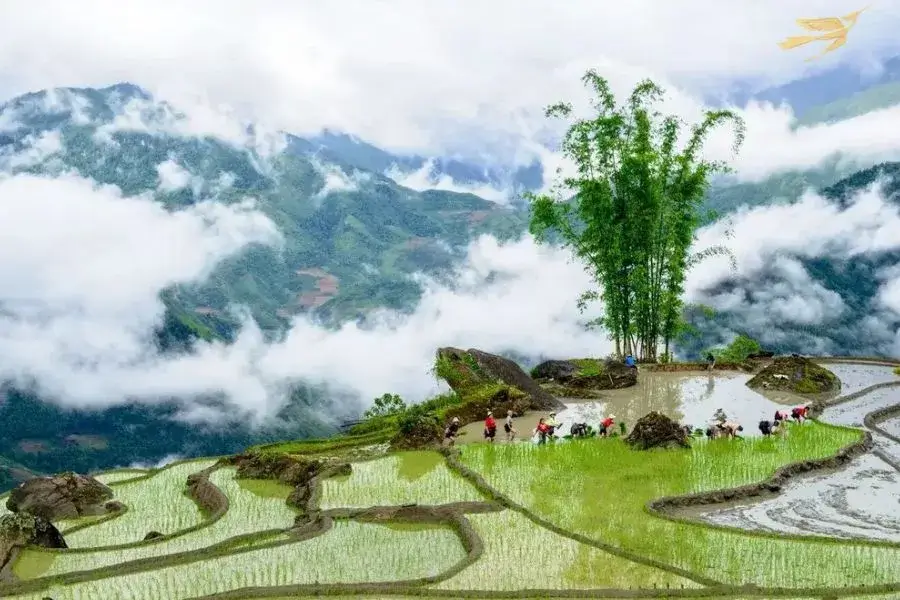
The Lao Chai rice terraces are an absolute marvel of indigenous engineering. However, they do not look like the postcards year-round. Because of the harsh northern winters and high altitude, local farmers can only harvest one single rice crop per year.

Timing your trip around this agricultural calendar is essential.
The Water Season (April to May): This is when farmers channel mountain streams down into the empty steps. The terraces turn into giant, curved mirrors reflecting the shifting clouds and blue skies. It is a dream window for landscape photography.
The Growing Season (June to August): The valley turns an intense, almost neon green. The rice stalks grow thick and tall, making this the best time to visit Sapa if you want to see the classic, lush velvet slopes. Be prepared for high humidity and sudden afternoon downpours.
The Golden Harvest (September to Early October): This is the peak visual window and one of the best views of Sapa rice fields. The entire valley glows a deep yellow-gold, and the air smells like sweet, drying straw. If you want to witness the actual hand-harvesting process, aim for the first two weeks of September before the fields are completely shorn.
The Winter Slumber (November to February): The fields turn to brown mud and stalks, and thick, cold mountain fog often rolls in, dropping visibility to a few meters. It is incredibly quiet and peaceful, but it requires heavy layers and waterproof gear.
Deep Cultural Insight: Inside a Black Hmong Village
Lao Chai is primarily the domain of the Black Hmong people, easily recognized by their distinct traditional attire. Unlike other regions where ethnic clothing is saved for festivals, here you will see women working the fields wearing deep indigo-dyed hemp tunics, intricate silver collar rings, and batik-patterned leg wraps.

The deep indigo blue color comes from the Strobilanthes cusia plant. It grows wild on the upper mountain ridges. The leaves are fermented in large wooden vats with limestone paste to create a dark, permanent dye.
Walk past the traditional wooden bamboo houses in the early afternoon. And you will hear the rhythmic pounding of heavy wooden mallets hitting hemp cloth over smooth logs. This is a technique used to give the indigo fabric its characteristic shiny, metallic sheen.
Local Etiquette Note:
Hmong homes traditionally feature a sacred central pillar and a main doorway where the house spirits reside. So, never hang your wet clothes on this central pillar. Also, always wait for your host to invite you across the threshold before entering.
If you see a fresh bunch of green leaves hanging on the doorframe, it means the family is performing a private ritual inside. Do not enter or disturb the household.

Lao Chai Trekking Routes to Beat the Crowds
Most tourist agencies dump groups onto the main concrete road that winds down from the ticket checkpoint. It is noisy, dusty from passing motorbikes, and lined with souvenir stalls. To experience a truly authentic Lao Chai trek, you need to take the dirt tracks running along the upper ridges.
- Sapa Town → High-Experience Ridge Trail: Quiet, steep, panoramic views
- Sapa Town → Central Accessible Road: Busy, concrete, shared with bikes
- Sapa Town → Low Valley River Path: Muddy, follows the stream to Ta Van
Expert Tips:
Instead of sticking to the valley floor, ask a local guide to take you through the high trails of Y Linh Ho, staying high on the northern ridge of the valley. This trail cuts directly through bamboo groves and old-growth pine pockets.
You will look straight down into the entire sweep of the Lao Chai Valley without any power lines or tourist structures blocking your camera lens.
Also, the dirt trails here are steep and composed of slick mountain clay. Do not try to tackle this in smooth-soled running shoes or casual flip-flops.
Look at our guide on what to wear in Sapa for recommendations on deep-lugged trail shoes, breathable layers, and why a lightweight bamboo walking stick bought from a local kid at the trailhead is the best 20,000 VND you will ever spend.

What to Eat at Lao Chai Village
Don’t settle for standard fried rice or generic Western fries while exploring Lao Chai. The local mountain cuisine relies heavily on foraging, smoked meats, and heavy spices designed to keep you warm in the damp mountain air.
When staying at a local homestay, look for these genuine staples:
- Thang Co (Traditional Horse Stew): Cooked in a massive iron wok, this traditional Hmong dish uses horse meat and offal simmered for hours with 12 distinct mountain spices, including cardamom, lemongrass, and wild cinnamon leaves. It has a strong, pungent flavor that pairs beautifully with homemade corn wine (ruou ngo).
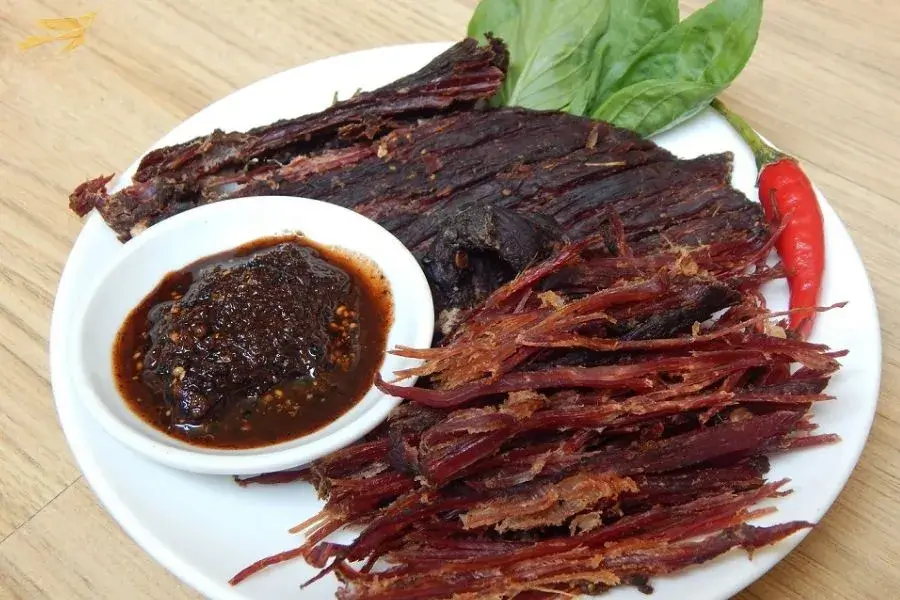
- Thit Trau Gac Bep (Kitchen-Guarded Smoked Buffalo): Strips of local buffalo meat are heavily seasoned with wild Mac Khen (forest pepper) and garlic, then hung up high above the open clay hearth in the kitchen. Over months, the woodsmoke cures the meat until it turns a deep charcoal black on the outside and a rich plum red on the inside. It is chewy, smoky, and intensely savory.
- Cai Meo (Hmong Mustard Greens): A simple but delicious bitter green that grows effortlessly in the rocky mountain soil. Sweeter and crunchier than standard spinach, it is typically flash-fried with thick slices of home-cured pork fat and ginger.
Recommended Lao Chai Village Itinerary
If you only have a short window, you can piece together a functional trip by checking our comprehensive 3-day itinerary for the broader region. However, if you want to experience Lao Chai properly, this slow-travel day structure allows you to beat the day-tripper crowds.
Morning: The Descent and Ridge Exploration
- 08:00 AM: Leave Sapa town early to avoid the mid-morning tour buses. Head down via the Y Linh Ho trail system rather than the main road.
- 10:30 AM: Arrive in the upper hamlets of Lao Chai. Take the time to observe the communal weaving spaces and small blacksmith shops where locals forge heavy farming tools.
Afternoon: River Crossings and Local Lunch
- 12:30 PM: Drop down to the Muong Hoa riverbanks for a fresh lunch of grilled stream fish and bamboo-cooked sticky rice (com lam) at a family-run stall near the suspension bridge.
- 02:30 PM: Walk the inner village loops, avoiding the main souvenir market. Focus on the stunning viewpoints where the old stone terraces meet the water.
Evening: The Overnight Shift
- 04:30 PM: Check into a local homestay run by a Hmong family. Watch the mist descend over the valley floor as the daytime visitors stream back to Sapa town in taxis.
- 07:00 PM: Share a communal family dinner by the woodstove, listening to stories of how the valley has transformed over the generations.

FAQs
Can I legally hike through Lao Chai without a guide?
Yes, it is entirely legal to do a self-guided walk if you stay on the main trails. However, the secondary dirt paths are unmarked, crisscross through private family farmlands, and easily turn into confusing mazes after heavy fog sets in. Hiring a local Hmong guide directly ensures you don’t accidentally trespass on sacred ancestral lands or get stuck on a dangerous mud cliff.
How does Lao Chai stack up against other options in a Sapa village comparison?
If you look at a comprehensive village comparison, Lao Chai offers the grandest scale of massive, wide terraced fields. Cat Cat is closer to town but highly commercialized. Ta Phin offers incredible Red Dao herbal baths but less dramatic valley views. Meanwhile, Ta Van is flatter and more riverside-focused. Lao Chai hits the sweet spot for pure trekking scale and traditional Hmong culture.
Is Lao Chai a safe place to travel with children?
It is highly rewarding for older children who love nature, but the classic ridge trekking trails are too steep and slippery for toddlers or strollers. If you are visiting with young kids, hire a private car directly to a riverside homestay and stick to the flat, paved paths right along the valley floor.
Final Thoughts
Lao Chai Village is not a place to be ticked off a generic sightseeing checklist in an hour. It is a living landscape shaped by centuries of hand-carved agricultural history and resilient mountain traditions.
To truly feel the magic of this corner of Vietnam, you have to match its internal rhythm: lace up your boots, embrace the mud, put the camera down occasionally, and just listen to the wind moving across the rice stalks.
Thank you for reading the local guide by Sapa Private Car. May your mountain paths be clear, your steps steady, and your interactions rich. See you out on the valley trail!