
Travel Guide
Ta Van Village: Insights Into Sapa’s Most Peaceful Valley Escape
Jul
Introduction
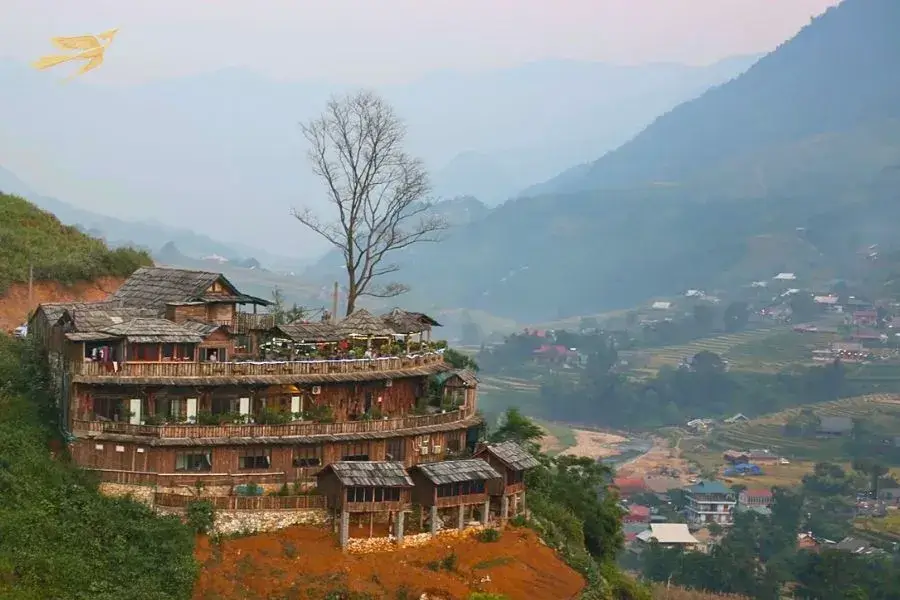
Ta Van Village sits roughly 10 kilometers southeast of Sapa town, tucked deep inside the dramatic Muong Hoa Valley. Unlike the commercialized pavement and souvenir stalls of nearby Cat Cat, Ta Van remains a living, breathing agricultural hub where traditional wooden stilt houses overlook centuries-old terraced fields.
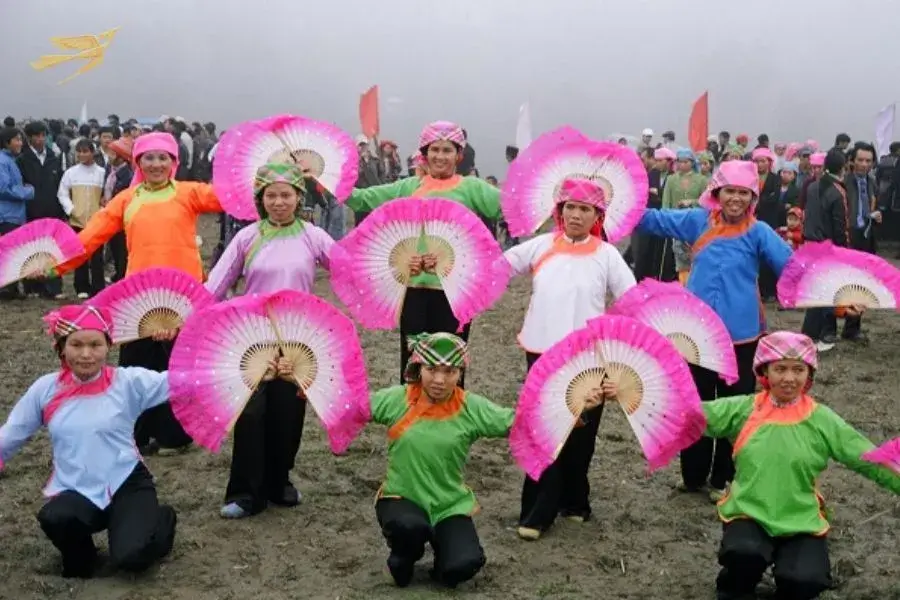
Home primarily to the Giay (Zay) ethnic minority, alongside neighboring Black Hmong and Red Dao communities, Ta Van offers a genuine taste of northern mountain life. Whether you are coming for a crisp day hike, a photographic journey during the golden harvest, or an overnight homestay experience, this guide covers everything you need to navigate the valley like a seasoned local.
Ta Van Village At a Glance
| Detail | Information | Local Expert Note |
| Distance from Sapa | ~10 km south along TL152 | Expect a 30–40 minute drive down steep, winding mountain roads. |
| Valley Entrance Fee | 80,000 VND (~$3.20 USD) per adult | Paid at the main highway ticket booth; keep your physical stub handy. |
| Primary Ethnic Groups | Giay (in main village), Black Hmong, Red Dao | Giay traditional houses feature flat dirt floors and timber walls. |
| Best Travel Months | Apr–May (Water season) & Sep (Harvest) | September offers bright yellow rice terraces; May shows sky-reflecting pools. |
| Road Accessibility | Cars, taxis, motorbikes, foot | Narrow village lanes inside Ta Van are strictly for motorbikes and walking. |
Why Visit Ta Van Village?
What makes Ta Van special is its balance between accessibility and authentic rural life. While tourist infrastructure like cozy terrace-view cafés and eco-lodges has grown significantly in recent years, the backbone of the village remains rooted in farming.
Walking down the main trail, you will hear river water rushing over river rocks, see smoke drifting from cooking fires inside timber stilt houses, and spot water buffalo grazing along the mud dikes. It is an ideal escape for:
- Trekkers seeking classic Muong Hoa Valley scenery without technical climbing.
- Culture seekers curious about Giay, Black Hmong, and Red Dao traditions.
- Photographers hunting for panoramic valley shots and light-filled misty mornings.
- Slow travelers looking to trade Sapa’s concrete center for quiet mountain evenings.

How to Get to Ta Van Village from Sapa
The route from Sapa town down into Ta Van takes you along TL152, a road that winds around the rim of the Muong Hoa Valley.
Transportation Options Compared
- Trekking on Foot (3 to 4 Hours): The classic experience. The standard trail starts in Sapa town, cuts through the edge of Y Linh Ho and Lao Chai Village, and descends through rice paddies into Ta Van. Hiring a local guide is recommended if you want to avoid slippery farm tracks or getting lost on secondary trails.
- Taxi or Private Car (30 to 40 Minutes): Expect to pay around 200,000–250,000 VND ($8–10 USD) one way. A private car to Ta Van is the safest choice for families, travelers with heavy luggage, or during heavy rain when roads get slick.
- Motorbike (30 Minutes): If you rent a scooter in town (typically 120,000–150,000 VND/day), check your brakes carefully before leaving. The road down TL152 has steep switchbacks and occasional potholes. See more tips at our Sapa bike rental guide.
- Bicycle / Mountain Bike: Possible for experienced cyclists, but the climb back up to Sapa town gains roughly 500 meters of elevation on a continuous incline. Check a Sapa tourist map to plan your route carefully.
Local Road Advice: Cars can reach the main drop-off point near the concrete bridge at the entrance of Ta Van. However, heavy 45-seater tour buses cannot navigate the tight turns inside the village, and narrow internal pathways are strictly for motorbikes and walking.
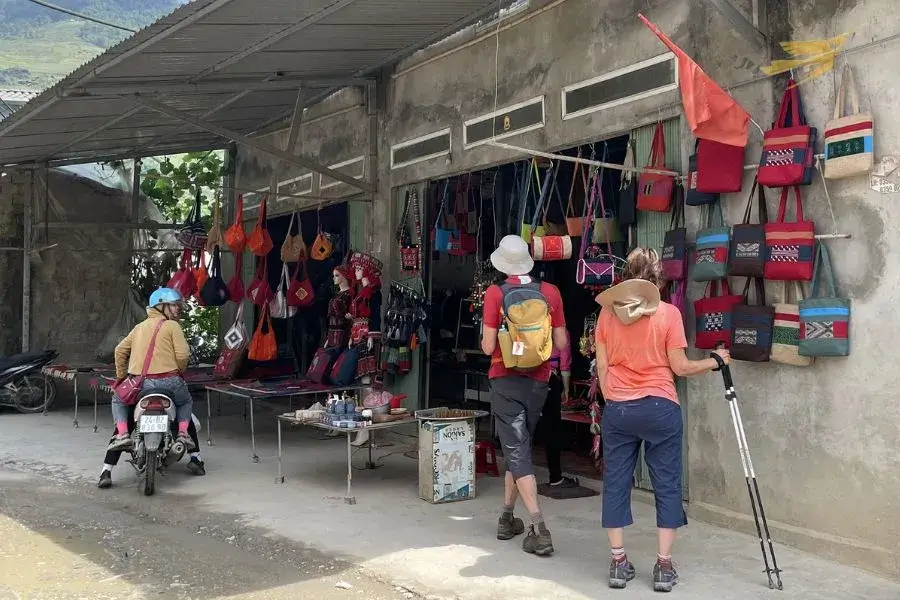
Besides Ta Van Village, you may want to discover more destinations from Sapa. We recommend Sapa private transfers, such as Sapa to Ba Vi National Park or Sapa to Mu Cang Chai.
Entrance Fees & Ticket Checkpoints
To enter the Muong Hoa Valley area (which encompasses Lao Chai, Ta Van, and Giang Ta Chai), you must pay a local valley entrance fee of 80,000 VND per adult (around 40,000 VND for children).
- Where to pay: There is an official ticket booth located along road TL152 as you leave Sapa town heading down into the valley. Taxis will usually stop here so you can purchase your ticket.
- Keep your ticket: Keep your paper stub in your pocket or daypack. Rangers occasionally check tickets near the main bridge into Ta Van or along popular trail intersections.
Best Time to Visit: Weather & Rice Seasons
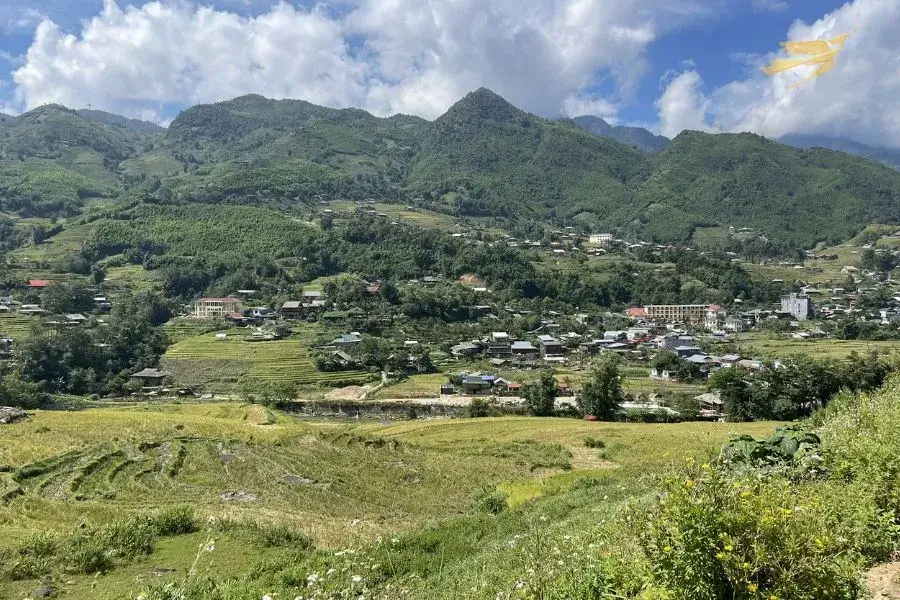
Ta Van changes its look dramatically across the four seasons. Timing your trip depends heavily on what you want to experience:
- September (Golden Harvest Peak): This is the ultimate time for photography. The entire valley turns brilliant shades of gold as farmers prepare to harvest. Book homestays at least 3–4 weeks in advance for September weekends.
- April to May (Water Pouring Season / Mùa Nước Đổ): Farmers channel mountain streams down into the terraces to prepare for planting. The fields reflect the sky and clouds like gigantic silver mirrors.
- June to August (Lush Summer Green): The rice plants grow rapidly, carpeting the valley in deep green. Expect warm days, periodic summer downpours, and dramatic mist rolling off the peaks.
- October to February (Cool Mountain Winter): Temperatures drop sharply (sometimes down to 5°C–10°C). Mist covers the valley, making it chilly for outdoor trekking, but atmospheric for sitting by a wood fire or herbal bath at a cozy lodge.

Top Things to Do in Ta Van Village
One of the biggest reasons travellers fall in love with Ta Van Village is that there is no pressure to rush from one attraction to another. Instead, the village encourages visitors to slow down, appreciate the mountain scenery, and experience everyday life in Muong Hoa Valley.
Whether you stay for a few hours or several days, there are plenty of rewarding activities that showcase the area’s natural beauty and local culture.
Hike Through the Rice Paddies to Giang Ta Chai
Instead of staying on the paved road, strap on sturdy boots and walk along the dirt paths connecting the upper terraces. A favorite local half-day route leads from the main village crossroad, across the valley floor, and up into Giang Ta Chai Village, home to the Red Dao minority.
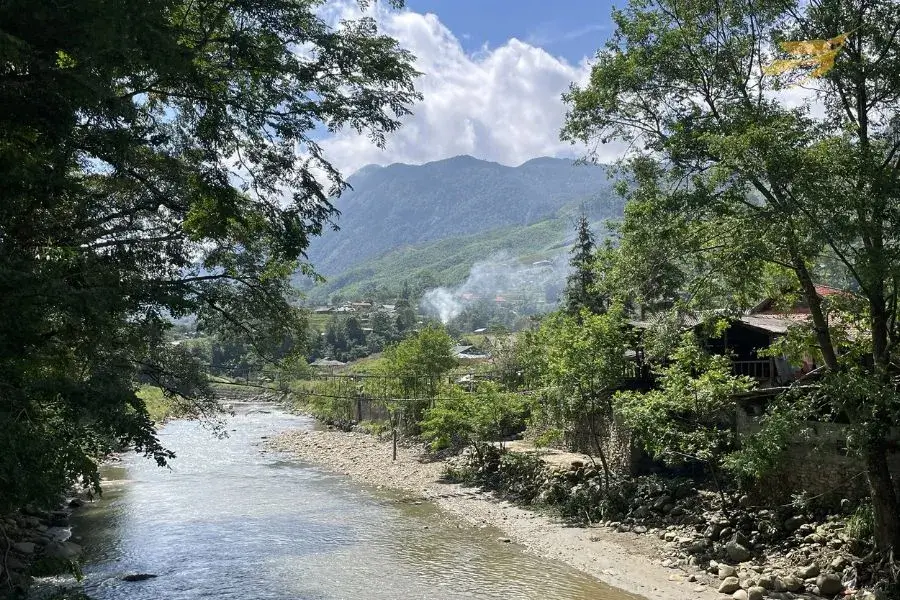
Along this path, you’ll cross a traditional wooden suspension bridge over the Muong Hoa River and pass small bamboo groves.
Learn About Giay Culture & Architecture
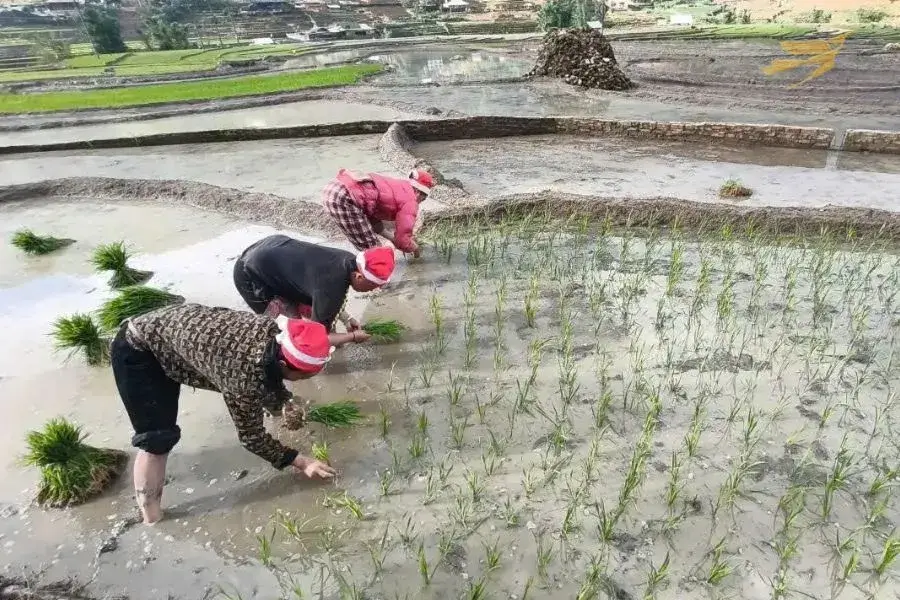
While many Sapa visitors are familiar with the indigo-dyed clothing of the Hmong, the Giay people of Ta Van have distinct traditions. They reside in stilt or ground-level wooden homes with three rooms, a central altar, and earthen or timber floors.
Look for women wearing colorful, high-collared tunics with bright pink or purple piping along the lapels rather than indigo wraps.
Sample Authentic Local Foods
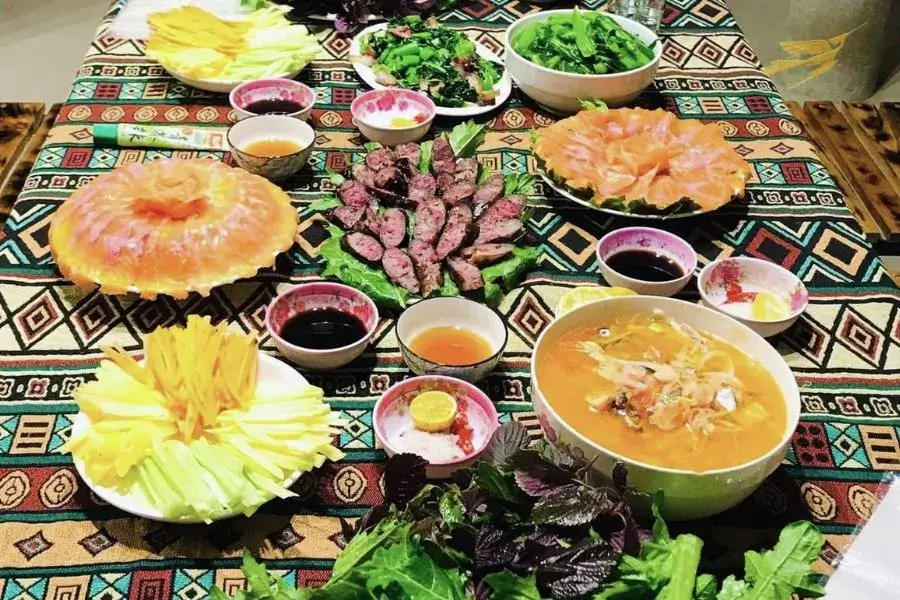
Don’t leave Ta Van without trying real mountain specialties at a local eatery or homestay:
- Thịt lợn cắp nách (Underarm Pork): Free-range local pork roasted with crisp skin and spiced with wild mountain pepper (mắc khén).
- Bánh chưng đen (Black Sticky Rice Cake): Colored naturally using the ash of burned local trees, stuffed with pork belly and mung bean.
- Phở chua (Sour Noodles): A refreshing mountain dish served cold with char siu pork, crushed peanuts, crisp herbs, and a light sour sauce.
Unwind at Terraced-View Cafés
After a long morning hike, sit down for a drip coffee or herbal tea at one of the village’s view spots:
- Sailing Sapa Cafe: Sits right alongside the Muong Hoa stream, perfect for relaxing to the sound of flowing water.
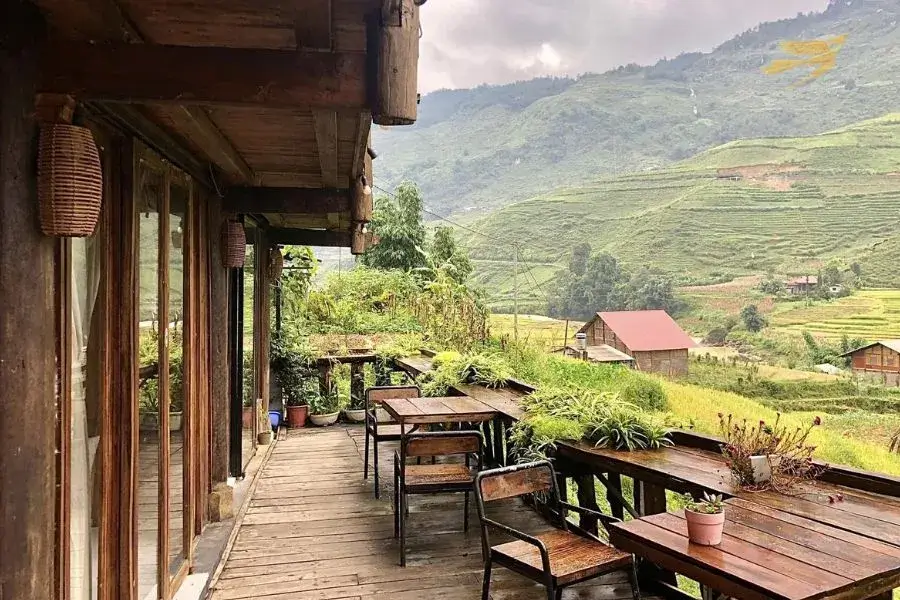
- Muong Hoa Riverside Cafe: Features elevated outdoor decking with direct views across the layered rice fields.
Relax in a Traditional Red Dao Herbal Bath
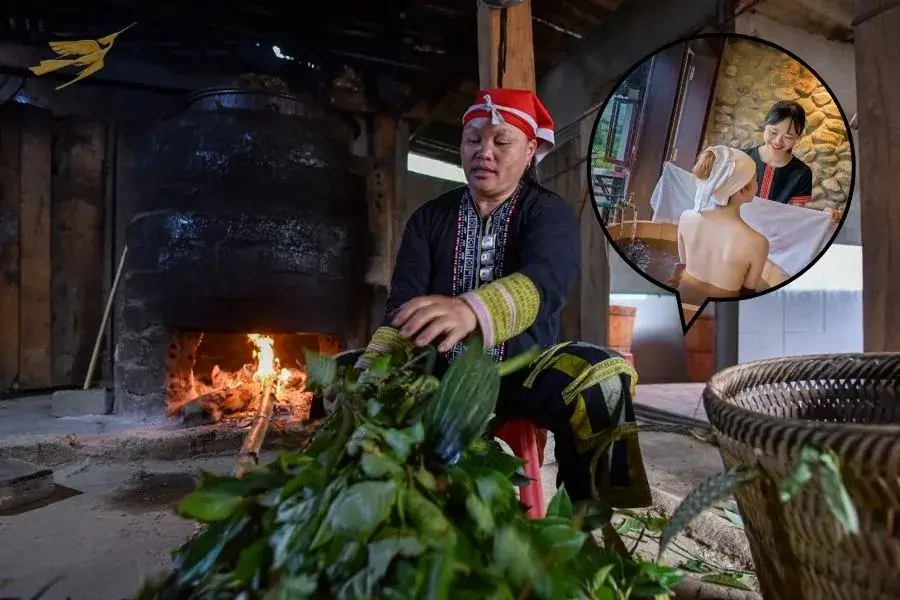
Many homestays in Ta Van offer authentic herbal baths (tắm lá thuốc), a tradition borrowed from neighboring Red Dao healers. A mixture of over 10 to 20 wild forest leaves, roots, and barks is boiled in large wooden barrels.
Soaking in the warm, aromatic water is perfect for soothing tired muscles after a day of mountain walking. It usually costs around 100,000–150,000 VND.
Where to Stay: Ta Van Accommodation Guide
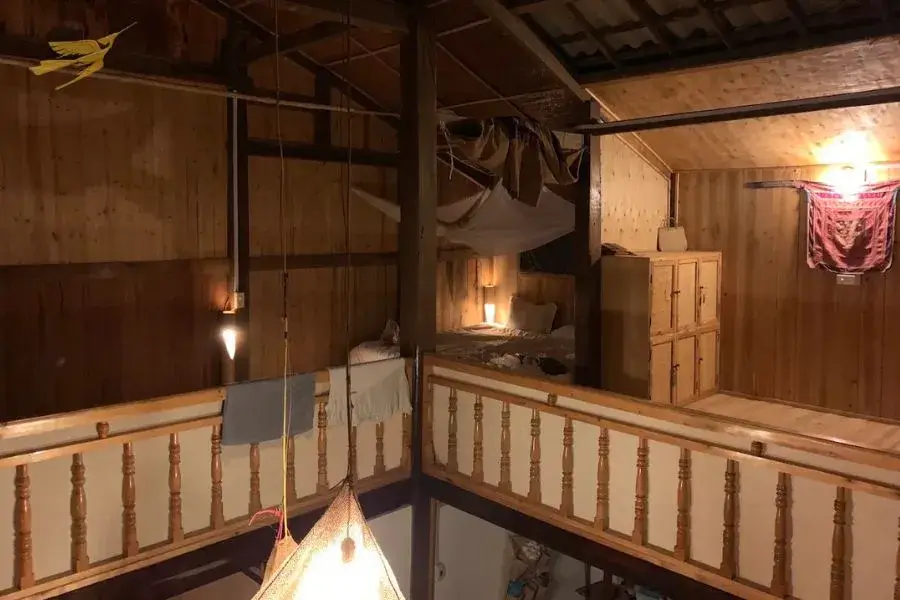
Ta Van offers accommodation options ranging from rustic $8-a-night family homestays to high-end eco-lodges with heated pools.
Recommended Stay Options
- Eco Palms House: Located on the hill between Lao Chai and Ta Van. Features private wooden bungalows with glass fronts looking over the entire valley. Excellent for couples or luxury seekers.
- Ta Van Heaven Homestay: A friendly family-run spot situated higher up on the hillside, offering sweeping terrace views, hot showers, and generous home-cooked dinners.
- Luckydaisy Buffalo House: One of the original boutique homestays in Ta Van center. Blends traditional ethnic woodwork with western comforts, cozy bedding, and a lively communal dining atmosphere.
Pro Tip: If you want absolute silence, pick a homestay set 50–100 meters above the main village road. The lower main street can experience occasional motorbike traffic and morning roosters!
Check out our travel guide on where to stay in Sapa for more accommodation advice.
Ta Van Village vs. Other Sapa Villages
Deciding where to spend your limited travel time in Sapa can be tough. Here is an honest side-by-side comparison to help you choose the best village for your travel style:
| Feature | Ta Van Village | Cat Cat Village | Lao Chai Village | Ta Phin Village |
| Distance from Sapa | ~10 km | ~2 km | ~7 km | ~12 km |
| Vibe & Atmosphere | Peaceful, rural, authentic balance | Highly commercialized, paved, busy | Agricultural, open valley views | Quiet, herbal bath focus, Red Dao culture |
| Best For | Overnight stays, trekking, local food | Short 2-hour walk, costume rentals | Easy trekking paths along river | Exploring caves, herbal medicine |
| Crowd Level | Moderate (quiet early & late) | Very high | Moderate | Low |
| Vehicle Access | Good to entrance; walk inside | Walk down long staircases | Good main road access | Good road access |
- Ta Van vs. Cat Cat: Cat Cat is very close to Sapa town, making it easy to visit, but it operates more like an outdoor theme park with artificial photo setups, souvenir stalls, and heavy crowds. Ta Van takes longer to reach, but offers open valley horizons and real farming communities.
- Ta Van vs. Lao Chai: Lao Chai sits right next to Ta Van along the same river valley. Lao Chai is broader and mostly inhabited by Black Hmong people, while Ta Van sits further down, feels slightly cozier, and has a wider choice of homestays and dining spots. Most travelers hike through Lao Chai and spend the night in Ta Van.
Ideal Itineraries for Ta Van
Option A: The Classic Day Hike (Half-Day)
- 08:30 AM: Grab a taxi from Sapa town down to the Y Linh Ho or Lao Chai drop-off point.
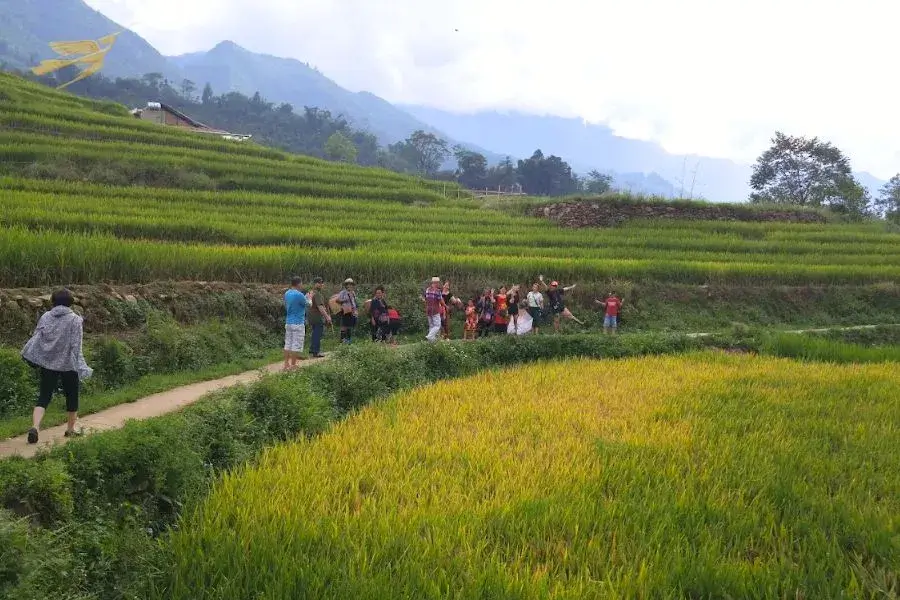
- 09:00 AM – 12:00 PM: Walk downhill along farm tracks, through the Hmong village of Lao Chai, taking in Sapa rice field views along the valley floor.
- 12:30 PM: Arrive in Ta Van Village. Enjoy a fresh lunch of fried spring rolls, wild greens, and mountain chicken at a local eatery.
- 02:00 PM: Sip a local coffee overlooking the bamboo bridge, then catch a ride back up to town.
Option B: The Overnight Experience (2 Days / 1 Night) – HIGHLY RECOMMENDED
Day 1: Trek from Sapa down through Muong Hoa Valley into Ta Van. Check into your hillside homestay by mid-afternoon. Enjoy a Red Dao herbal bath, then join the host family for a communal dinner (lẩu hotpot or family-style dishes) with local rice wine (rượu ngô).
Day 2: Wake up early to catch the valley morning mist. Have breakfast with fresh local pancake and coffee. Spend the morning doing a light hike to Giang Ta Chai or exploring the upper Giay hamlets. Return to Sapa by private car after lunch.
Practical Local Travel Tips
- Footwear Matters: Do not attempt valley trekking in smooth-soled sneakers or flip-flops. Sapa mud (đất sét) is famously sticky and slippery, especially after a brief rain shower. Wear trail runners or hiking shoes with deep rubber lugs.
- Cash is King: While eco-lodges accept credit cards, local noodle stalls, taxi drivers, handicraft artisans, and small cafes in Ta Van accept cash only (VND). There are no ATMs inside the village; withdraw sufficient cash in Sapa town beforehand.
- Mindful Photo Etiquette: Always ask permission (“Cho em chụp ảnh nhé?”) before snapping close-up portraits of village elders or children. Avoid handing out candy or small change to young children along the trails, as this encourages begging and keeps them away from school. Purchase a small handmade embroidered bookmark or coaster instead.
- Weather Preparedness: Mountain weather changes quickly. Pack lightweight layers: a breathable moisture-wicking shirt for walking uphill, a light windbreaker/rain jacket, and warm fleece for cool valley evenings.
Common Mistakes to Avoid in Ta Van
- Rushing In and Out at Midday: The valley gets brightest and hottest between 11:30 AM and 2:00 PM. The softest light, coolest air, and best peaceful atmosphere happen before 9:30 AM and after 3:30 PM.
- Trekking Without Water: While there are small shops along main village tracks, long stretches of trail between Lao Chai and Ta Van offer no shade or shops. Carry at least 1–1.5 liters of water per person.
- Confusing Village Names on Maps: Double-check your homestay drop-off point. “Ta Van” covers a fairly large geographic area split into Ta Van Giay 1, Ta Van Giay 2, and Ta Van Mong. Ask your homestay host for precise pin drops on Google Maps before setting out.
FAQs
Is Ta Van Village worth visiting if I don’t want to trek?
Yes! Unlike remote mountain peaks, cars and taxis can drive down road TL152 and drop you directly at the village entrance or main bridge. You can stay in a comfortable hillside lodge, enjoy terrace views from local cafes, and walk along flat paved lanes without doing steep mountain hikes.
Can I visit Ta Van Village without hiring a tour guide?
Absolultely. Main tracks connecting Lao Chai, Ta Van, and the roadside cafes are easy to follow independently using smartphone maps. However, hiring an ethnic minority guide (such as a local Hmong or Giay resident) enriches the experience greatly, as they share insights into local medicinal plants, village customs, and regional history.
What should I do if it rains while I am in Ta Van?
Rain is common in Sapa’s mountains. If caught in a shower, step into a local cafe for a hot ginger tea, book a warm herbal bath at a nearby lodge, or enjoy a slow family-style hotpot lunch. Paths inside the village can get muddy, so rent plastic boots or take a motorbike taxi if trails become too slick.
Final Thoughts
Ta Van Village remains one of Sapa’s true gems. It’s a place where you can step off the crowded tourist track, slow down your pace, and experience the quiet rhythms of northern Vietnam’s mountain cultures. From waking up to the sight of mist rising over Muong Hoa Valley to sharing home-cooked meals with your Giay hosts, an overnight stay here often becomes the highlight of a trip to Vietnam.
Sapa Private Car wishes you safe travels and an enjoyable time in the mountains. Thank you for traveling responsibly by supporting local, community-owned businesses in the valley!