
Travel Guide
Hanoi to Sapa Train vs Bus: Which Is Better in 2026?

Sep
Introduction
Comparing the Hanoi to Sapa train vs bus comes down to a fundamental choice: direct speed versus an overnight experience.
While a direct bus or luxury limousine van whisks you straight up the mountains in 5.5 to 6.5 hours, the sleeper train offers a classic, steady journey through northern Vietnam. However, first-time visitors often overlook a critical logistical detail: Sapa has no train station.
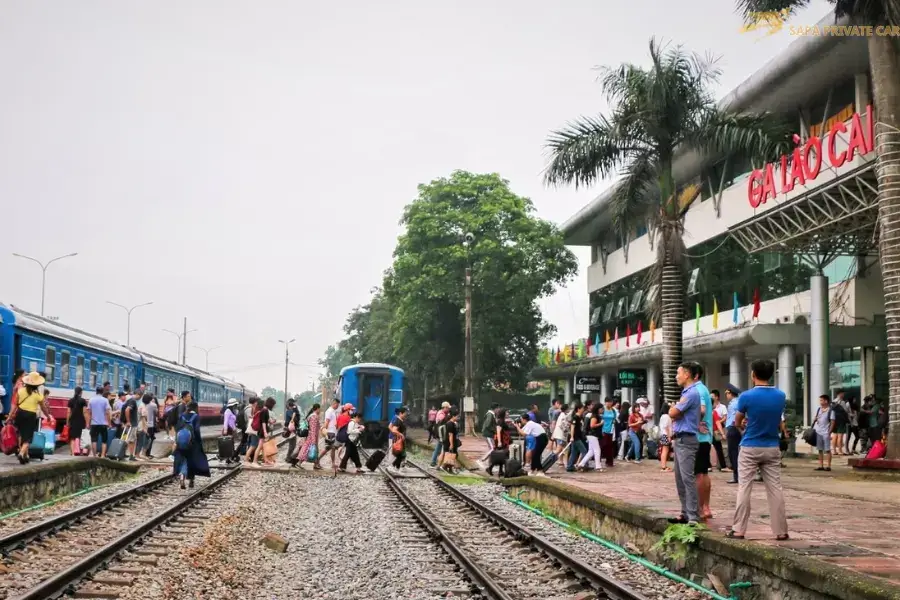
When taking the train, your rail journey ends at Lao Cai Station near the Chinese border. From there, you must complete the final 35 km ascent by mountain road. Comparing the train or bus to Sapa requires evaluating the full door-to-door transit, including transfers, total travel duration, sleep quality, and how you want your first morning in the highlands to unfold.
Hanoi to Sapa Bus vs Train Quick Comparison
| Criteria | Overnight Sleeper / Tourist Train | Direct Sleeper Bus / VIP Cabin Bus | Limousine Van (9–11 Seats) | Private Car Transfer |
| Route | Hanoi Station → Lao Cai Station → Sapa Town | Hanoi → Sapa Town (Direct via Expressway) | Hanoi → Sapa Town (Door-to-door options) | Hanoi → Sapa Town (Customized direct route) |
| Total Duration | ~9 hours (8 hrs rail + 1 hr mountain road) | ~5.5 to 6.5 hours | ~5.5 to 6 hours | ~5 hours |
| Direct to Sapa? | ❌ No (Requires Lao Cai transfer) | ✅ Yes | ✅ Yes | ✅ Yes |
| Bed / Seat Type | Flat berth (4-berth shared or 2-berth private VIP) | Reclining bunk / Private VIP single or double cabin | Executive reclining leather seats | Private passenger car / SUV / Van |
| Average Price | $30 – $95 USD (Varies by cabin class) | $12 – $22 USD | $18 – $25 USD | $120 – $180 USD (Per vehicle) |
| Mountain Road Exposure | Final ~45–60 minutes only | Final ~1 hour | Final ~1 hour | Final ~1 hour |
| Best For | Train enthusiasts, motion-sensitive travelers, families | Budget travelers, direct overnight arrival | Daytime travelers, couples, small groups | Families with kids, heavy luggage, direct airport pick-up |
Taking the Train: The Classic Overnight Railway Journey
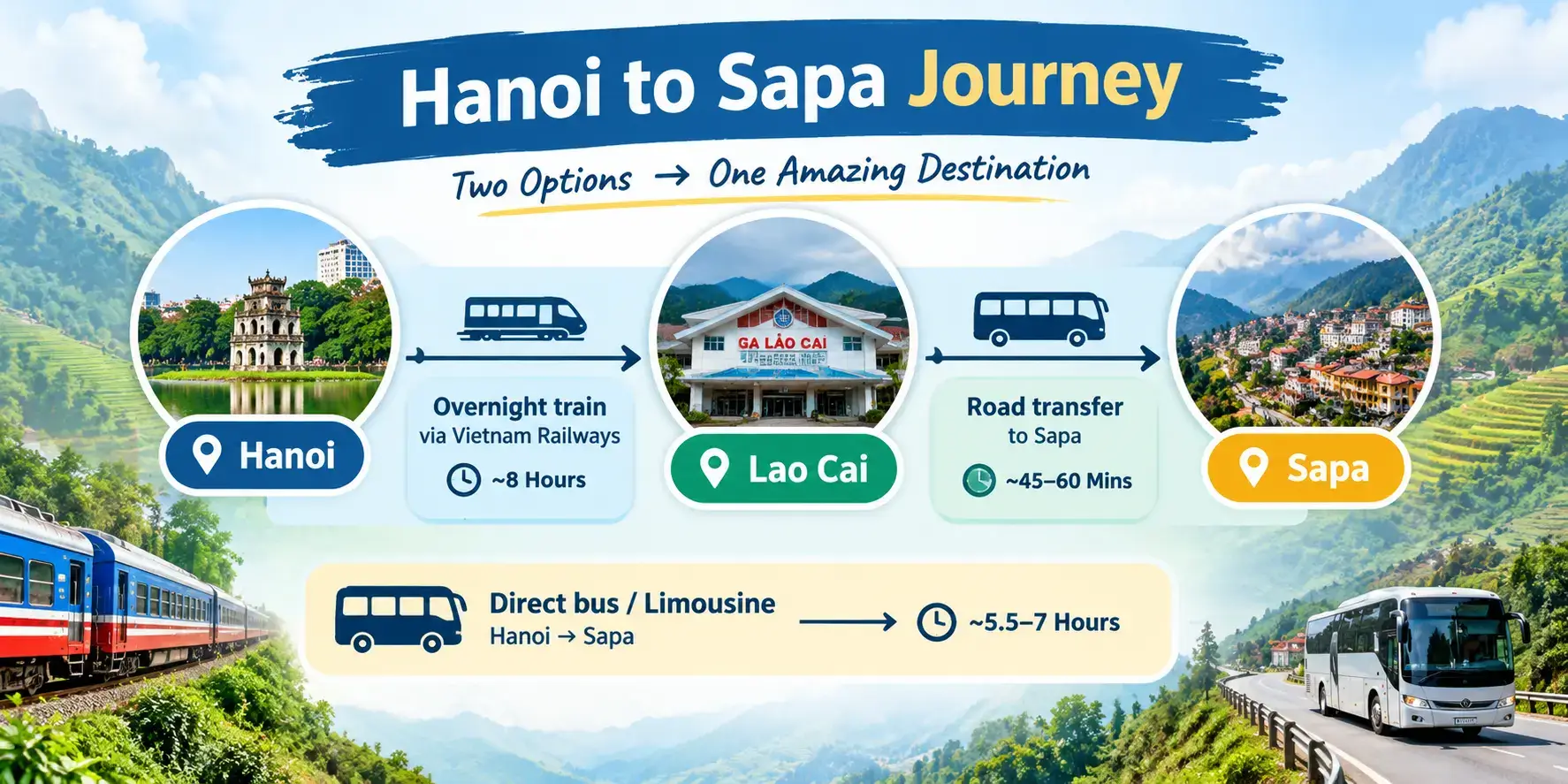
Taking the Hanoi to Sapa by train is a storied travel experience, but understanding the mechanics prevents surprises. You will basically go through these steps:
- Hanoi Railway Station (Ga Hà Nội)
- Overnight Rail via Vietnam Railways SP1/SP3 | ~8 Hours
- Lao Cai Train Station (Ga Lào Cai)
- Road Shuttle, Public Bus, or Taxi | ~45-60 Mins via QL4D
- Sapa Town Center
Vietnam Railways vs. Private Tourist Carriages
The national operator, Vietnam Railways, runs the daily express trains (typically SP1 and SP3 departing Hanoi between 9:30 PM and 10:00 PM). Attached to these standard trains are wooden-paneled private tourist carriages operated by independent travel brands.
- Standard Vietnam Railways Cabins: Basic 4-berth soft sleepers or 6-berth hard sleepers. Clean and functional, but minimal amenities.
- Tourist Carriages (Sapaly Express, Chapa Express, VicSapa, Laman): Upgraded wooden interiors, plush bedding, reading lamps, USB charging ports, complimentary water/snacks, and access to private waiting lounges at Hanoi and Lao Cai stations.
- VIP 2-Berth Cabins: Created by locking out two berths in a 4-berth compartment, offering romantic privacy for couples.

The Lao Cai Station Transfer Reality
Trains arrive at Lao Cai Station between 5:30 AM and 6:30 AM. Upon exiting, you will encounter the final mountain leg:
- Pre-booked Operator Shuttles: Included in many tourist train packages ($3–$5 USD).
- Public Bus #01: Runs every 30 minutes from outside the station to Sapa town center (~30,000 VND / $1.20 USD).
- Private Taxi / Shuttle: Highly recommended if traveling with young children or heavy bags.
Taking the Bus: Direct Speed and Modern Cabin Comforts
Opting for the bus or train to Sapa often swings in favor of the bus due to the opening of the Noi Bai–Lao Cai Expressway, which drastically reduced road transit times.
Compared to trains, using buses seems simpler with only three steps:
- Hanoi Pick-up (Old Quarter / Station)
- Direct via Noi Bai–Lao Cai Expressway & QL4D Pass | ~5.5-6.5 Hours
- Sapa Bus Station / Hotel Drop-off
Traditional Sleeper vs. VIP Cabin Bus vs. Limousine Van
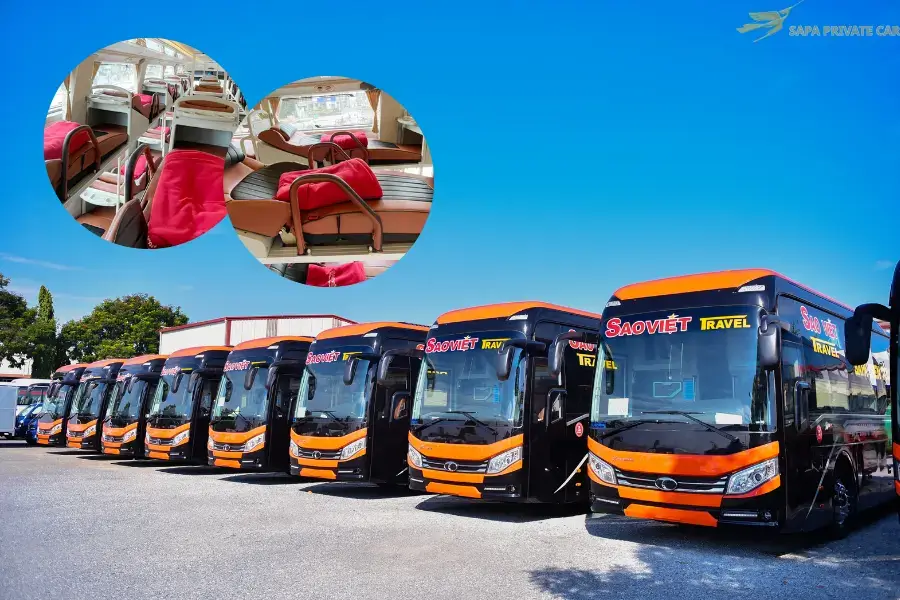
- Standard Sleeper Bus (38–44 berths): Open bunk beds arranged in three double-deck rows. Budget-friendly ($12–$15 USD), but offers little privacy and tight legroom for travelers over 175 cm (5’9″).
- Hanoi to Sapa Sleeper Bus (VIP Cabin / Pod Bus): Features 20–22 individual, enclosed berths with privacy curtains, flat-reclining beds, private TV screens, USB ports, and optional double cabins for couples. Top operators include Sao Viet, HK Buslines, and G8 Open Tour.
Local Tip: Sao Viet operates VIP cabin buses equipped with an onboard restroom, a rare luxury on this route.
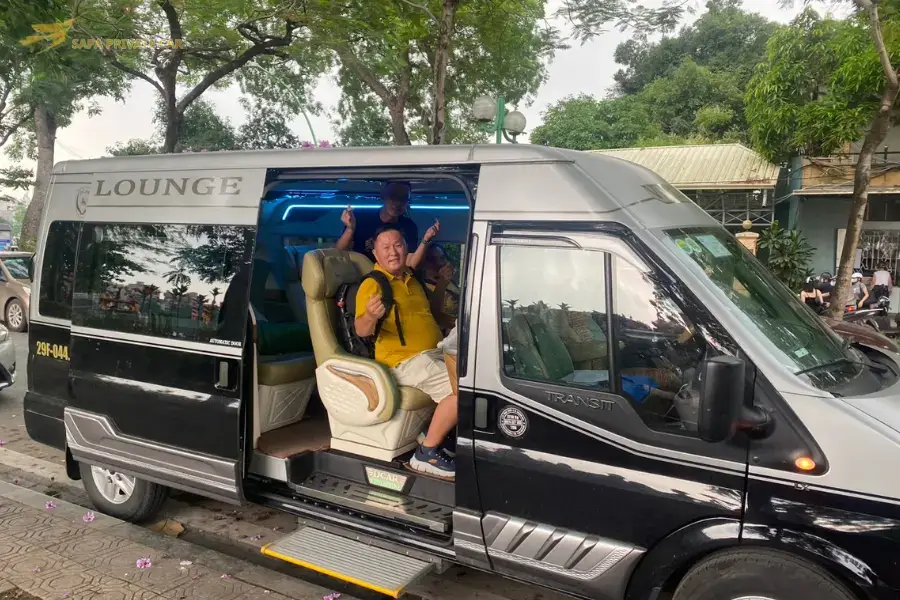
- Hanoi to Sapa Limousine Bus: Refitted Ford Transit or Mercedes Sprinter vans with 9 to 11 plush leather reclining seats. Ideal for daytime trips, offering door-to-door hotel pick-ups in Hanoi’s Old Quarter.
Hanoi to Sapa Train vs Bus Decision Factors
Speed & Schedule Efficiency: Bus Wins
If you have a tight itinerary or are calculating how many days in Sapa you need, a direct bus saves 2.5 to 3 hours of total transit time compared to the train-and-transfer route.
Price & Value Comparison: Bus Wins
- Bus: A standard berth costs ~$12–$16 USD; a VIP single cabin costs ~$18–$22 USD door-to-door.
- Train: A tourist berth costs $35–$50 USD, plus the $3–$5 USD Lao Cai shuttle transfer. Total real rail transit cost averages $40–$55 USD per person.
Sleep Quality & Space: It Depends
- Overnight Train: Better for travelers who need a completely flat, horizontal surface. However, track friction and train movement mean it is rarely silent.
- Overnight Bus: Modern VIP cabins offer orthopedic reclining positions. However, highway braking and winding mountain bends can disrupt light sleepers.

Motion Sickness Management: Train Wins
The express road section from Hanoi to Lao Cai is smooth highway. However, the final 35 km climb along National Route 4D (QL4D) into Sapa features continuous sharp hairpin turns.
- By Train: You ride on smooth rails for 90% of the journey, confining mountain road exposure strictly to the 45-minute drive from Lao Cai Station.
- By Bus: You navigate the mountain pass directly in the bus. If prone to carsickness, sit toward the front of a limousine van or choose lower-deck forward berths on a cabin bus.
Luggage & Family Traveling: Private Car or Limousine is Better
Navigating railway platforms with stroller sets, heavy rolling suitcases, or trekking equipment can be exhausting. While standard buses store luggage in underfloor bays, traveling with kids or large groups often makes a private car with driver the most stress-free option.
When a Private Car Beats Both Bus and Train
If you are traveling as a family, carrying extensive gear, or arriving directly at Noi Bai International Airport (HAN), evaluating a Hanoi to Sapa private transfer changes the math completely.
- Door-to-Door Simplicity: Eliminates transfers, wait times, and station navigation.
- Airport Pick-Up: A driver meets you at the arrivals hall and heads directly onto the Noi Bai–Lao Cai Expressway, skipping Hanoi city traffic entirely.
- Cost Efficiency for Groups: A 7-seater SUV or 16-seater van ranges between $130 and $180 USD total per vehicle. Divided among 3 to 5 passengers, the per-person cost rivals high-end tourist train or VIP cabin bus fares while offering total schedule control.
- Comfort & Services: Upgrading to a premium Sapa Luxury Car or VIP Limousine vehicle provides reclining leather seats, onboard Wi-Fi, and personalized rest stops along the highway.
FAQ
Is there an actual Sapa train station?
No. There is no Sapa train station. All rail lines terminate at Lao Cai Station, located 35 km downhill from Sapa. You must take a bus, shuttle, or taxi for the final leg.
Where is the Sapa bus station located?
The main Sapa bus station (Bến Xe Sapa) is located near Sapa Lake (1A Highway 4D, Sapa Town). However, many private VIP cabin bus operators and limousine services drop passengers directly near the central town plaza or at specific hotel partner locations.
What happens if my overnight train or bus arrives at 4:30 AM?
Overnight buses and trains often reach Sapa or Lao Cai between 4:30 AM and 5:30 AM.
- Buses: Most operators allow passengers to remain asleep in their berths on board until 6:00 AM.
- Trains: You must disembark upon arrival at Lao Cai Station. However, you can rest or shower at partner station lounges (such as the Chapa Lounge) before taking the morning shuttle up to Sapa.
How do I avoid common first-timer transport mistakes?
Avoid booking unbranded “open-tour” ticket offices in Hanoi’s Old Quarter. Review our breakdown of common first-timer mistakes in Sapa to avoid booking fake ticket vouchers or selecting double-cabin bus berths when traveling solo.
Final Thoughts
There are no absolute answers when choosing between the Hanoi to Sapa train vs bus. Consider your needs carefully to decide wisely:
- Choose the Direct Bus or VIP Cabin if you want the fastest, most economical, and hassle-free transit directly into Sapa town.
- Choose the Overnight Tourist Train if you value historical railway travel, want a flat bed for sleeping, or suffer heavily from mountain road motion sickness.
- Choose a Private Car Transfer if you are traveling with family, carrying heavy luggage, or arriving via Noi Bai Airport and want a seamless door-to-door experience.
Planning your journey smoothly sets the tone for your entire highland adventure. Safe travels through the terraced valleys of northern Vietnam! Thanks for reading Sapa Private Car’s travel blog.