
Travel Guide
Is Sapa Worth Visiting In 2027?

Nov
Introduction
Are you planning a trip to Sapa in 2027 and wondering, “Is Sapa worth visiting in 2027?” Let Sapa Private Car help you find the answer through this travel guide. We’ll explore why Sapa is worth adding to your travel list, the experiences you shouldn’t miss, and the local dishes you should try during your visit. With these helpful insights, you can plan your trip and make the most of your time in Sapa.
Where Is Sapa Located?
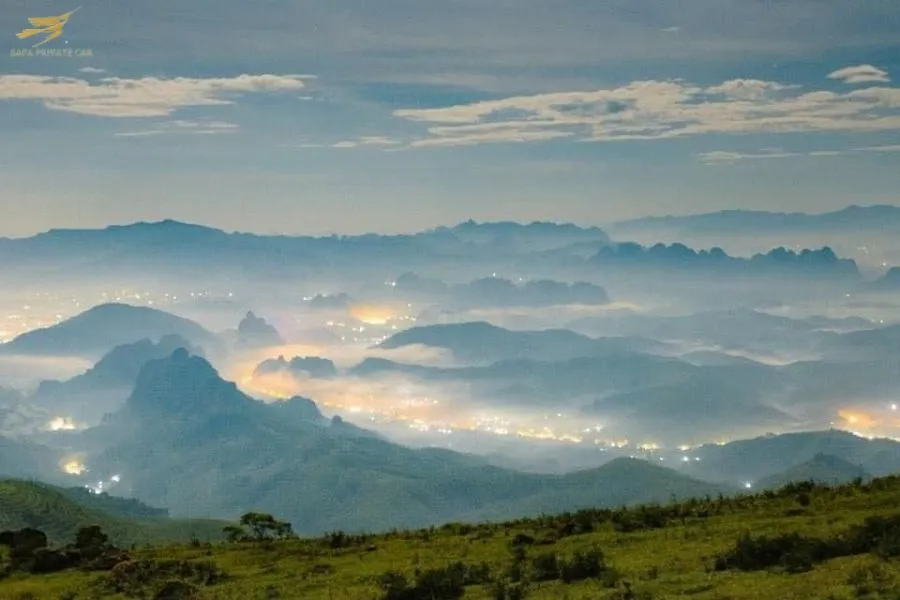
Sapa nestles in the Hoang Lien Son mountain range of Lao Cai Province in northwestern Vietnam. It sits at an altitude of about 1,500 meters. Located roughly 315 km northwest of Hanoi via the Noi Bai – Lao Cai Expressway, this former French hill station is famous for its cool, refreshing climate. Once immersed in the misty charm of Sapa, in fact, travelers can admire fairy-tale landscapes of rolling terraced rice fields, dramatic mountain peaks, and peaceful ethnic minority villages.
How To Get To Sapa From Hanoi?
Currently, if you choose Hanoi as your departure point, the journey to Sapa covers a distance of about 315 km. Consequently, it takes roughly 5.5 to 6 hours by car, depending on traffic conditions. Below are the most common transport options you can choose from to get there:
By Motorbike
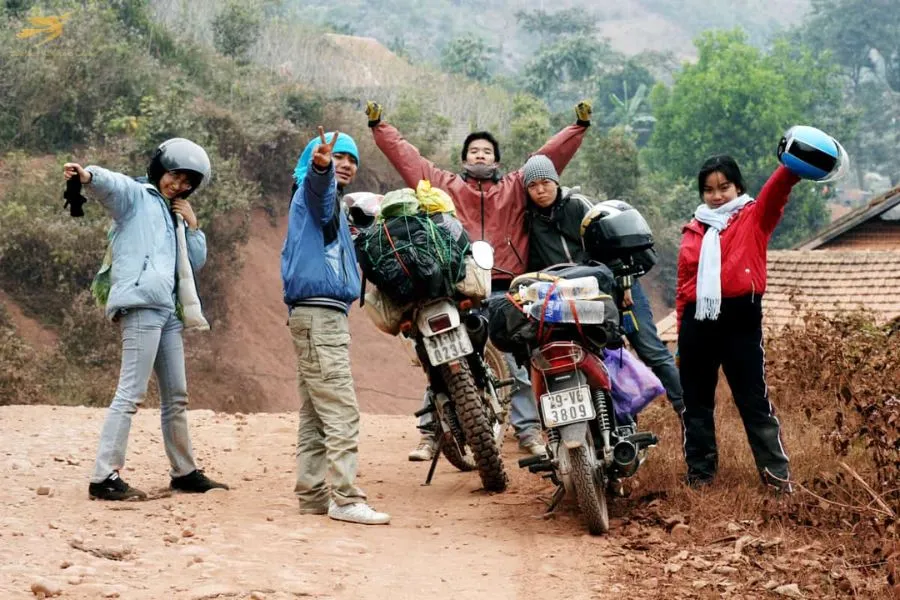
If you enjoy adventure and freedom, taking a motorbike trip from Hanoi to Sapa is an ideal option. For this journey, you can rent a motorbike in Hanoi, plan your own schedule, and explore the scenic highland roads at your own pace. However, because the mountain passes can be steep and foggy, this option is only recommended for confident, experienced riders.
By Shuttle Bus

If you are looking for an economical option, taking a shuttle bus from Hanoi to Sapa is both easy and convenient. Most buses depart from Hanoi’s Old Quarter and take around 5.5 to 6 hours to reach Sapa town center. Moreover, ticket prices are generally affordable, making this option suitable for budget-conscious travelers. However, keep in mind that shuttle buses operate on fixed timetables and offer limited luggage space.
By Private Car

Traveling from Hanoi to Sapa by private car is ideal for families, couples, and small groups seeking comfort and flexibility. In general, the drive takes around 5–5.5 hours via the Noi Bai–Lao Cai Expressway, with flexible departure times and the option to stop for meals, rest, or photos. Furthermore, an experienced local driver helps make the mountain journey more convenient and relaxing.
What Makes Sapa Worth Visiting?
Nestled in the Hoang Lien Son mountain range in northern Vietnam, this highland destination offers a unique combination of breathtaking natural landscapes, welcoming local communities, and rich ethnic traditions. Sapa is worth visiting for much more than its cool climate and spectacular mountain views. Here are three reasons why Sapa deserves a place on your Vietnam travel:
Breathtaking Mountain Scenery
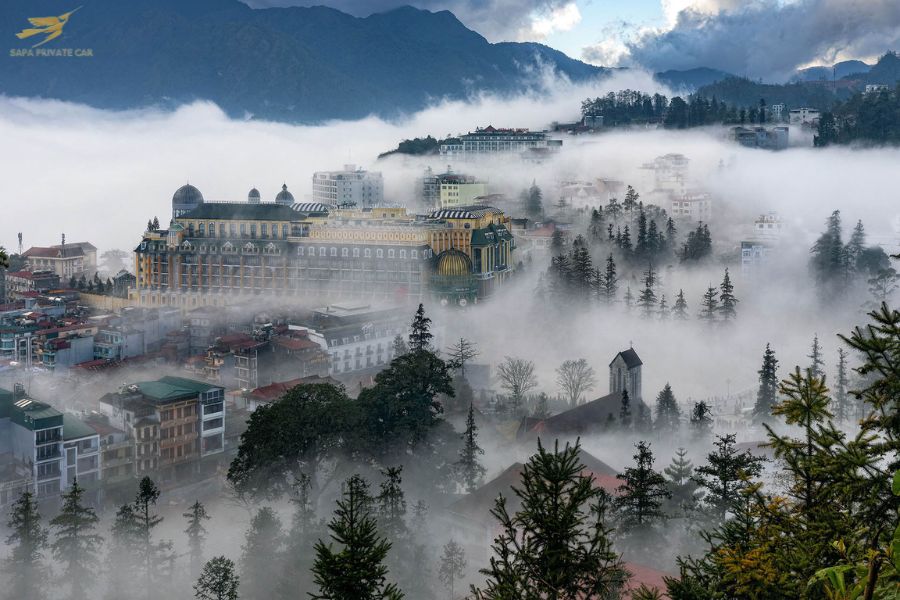
One of the biggest reasons to visit Sapa is its stunning natural beauty, where towering mountains, deep valleys, winding rivers, and spectacular rice terraces create an unforgettable landscape. Often covered in mist and clouds, the surrounding mountains create a peaceful atmosphere that has earned Sapa the nickname “the Town of Clouds.” Visitors can admire breathtaking panoramic views, explore scenic mountain trails, and witness the landscape changing throughout the seasons. From lush green valleys to golden rice fields during harvest season and mist-covered peaks in winter, Sapa offers a unique natural charm all year round, making it a paradise for nature lovers and photography enthusiasts.
Friendly And Welcoming Local People
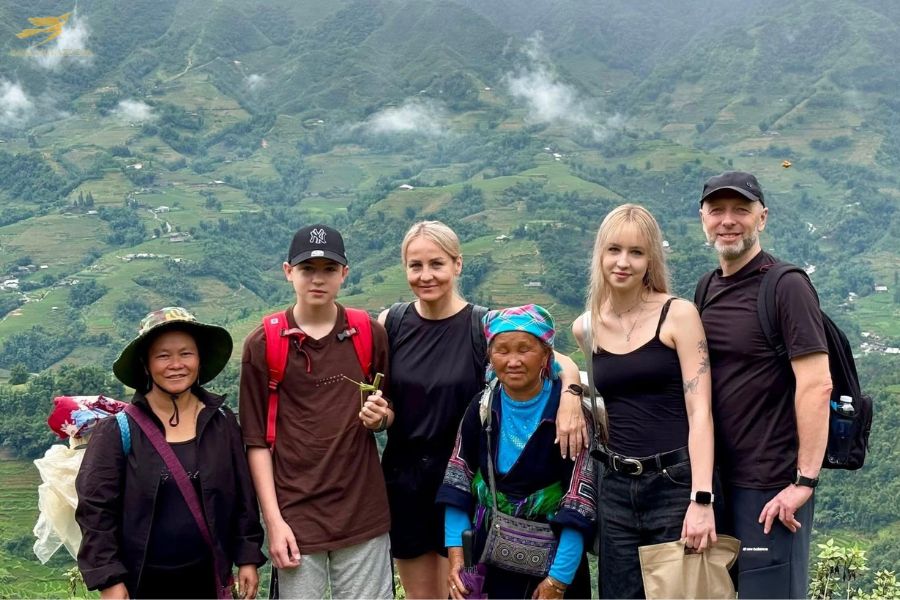
Beyond its beautiful scenery, Sapa is home to several ethnic communities, including the H’Mong, Dao, Tay, and Giay, offering travelers opportunities to interact with local families and gain a closer understanding of their everyday lives. For a more immersive experience, staying at a traditional homestay allows visitors to enjoy home-cooked meals, share stories with their hosts, and experience the peaceful atmosphere of the countryside. These authentic local experiences and personal connections often become some of the most memorable parts of a trip to Sapa.
Rich Ethnic Culture And Traditions
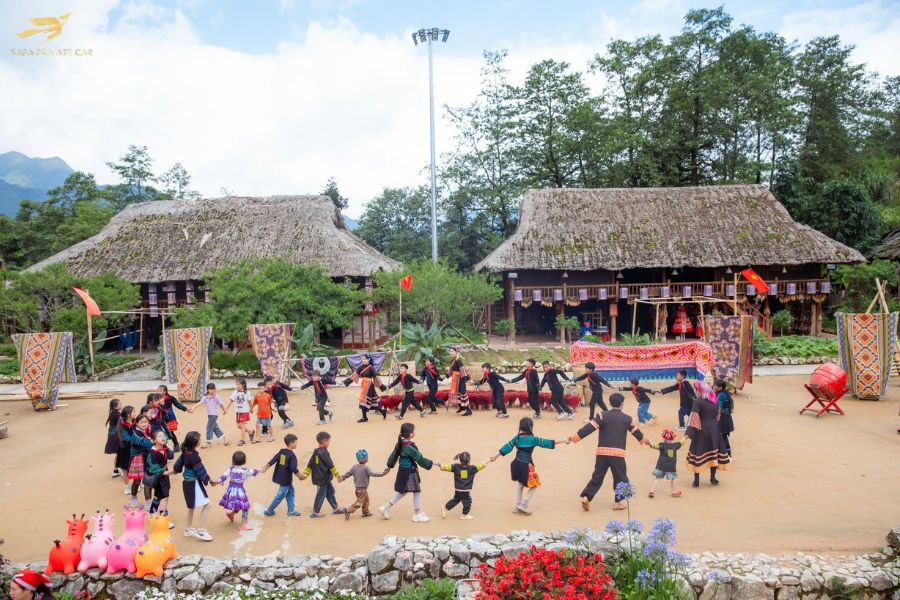
Another reason why Sapa is worth visiting is its ability to cater to different travel interests. Adventure seekers can enjoy trekking through terraced rice fields, hiking mountain trails, or challenging themselves with an expedition to Fansipan. Meanwhile, culture enthusiasts can explore ethnic villages, visit traditional markets, and discover local handicrafts and customs. If you prefer a more relaxing holiday, Sapa also offers mountain-view resorts, cozy homestays, herbal baths, and peaceful retreats surrounded by nature. This variety makes Sapa an appealing destination for couples, families, solo travelers, and adventure lovers alike, allowing everyone to experience the highlands at their own pace.
Top 5 Things To Do In Sapa
When visiting Sapa, you will enjoy countless memorable experiences that form the true soul of this highland town. These distinctive features leave every traveler feeling reluctant to leave, making Sapa one of the most worthwhile destinations in Vietnam. Below are some of the best activities you should experience during your trip to Sapa:
Strolling Around Sapa Love Market
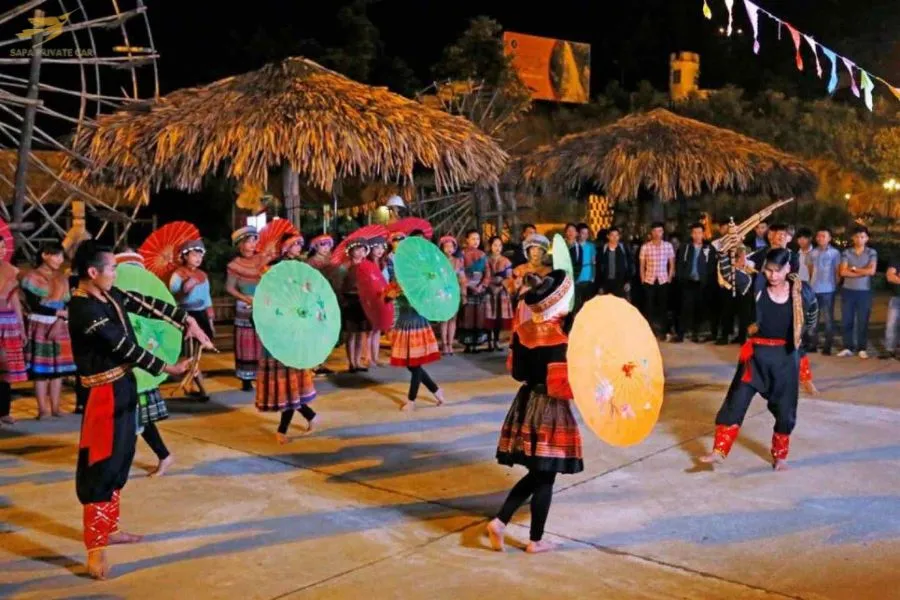
Indeed, the area sits right in the heart of town near the Sapa Stone Church. Moreover, taking a leisurely stroll here is a wonderful way to soak in the atmosphere. In the evenings, the surroundings come alive with friendly vendors and traditional handicrafts. In addition, it serves as a relaxing and vibrant spot to unwind after a day of exploring, enjoy local street food, and experience the charming soul of Sapa town.
Explore Cat Cat Village
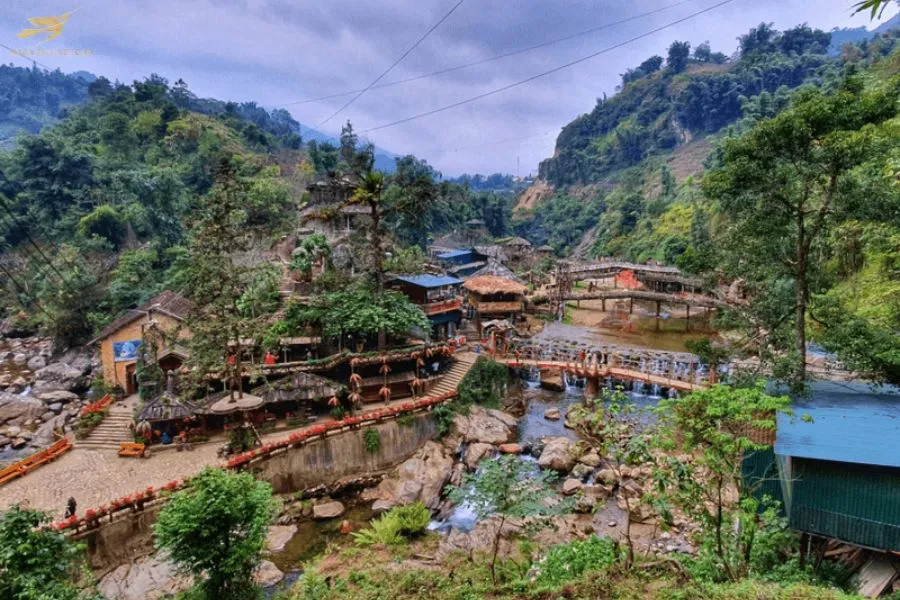
Tucked away amid lush mountains and dense forests, Cat Cat Village shines like a hidden gem of Northwest Vietnam. Widely regarded as one of the region’s oldest and most picturesque ethnic villages, its poetic scenery of wooden stilt houses, cascading waterfalls, and terraced slopes captivates every visitor who steps foot here. Furthermore, beyond the breathtaking landscapes, you can also immerse yourself in the rich traditions, handicrafts, and warm hospitality of the local H’Mong community.
Conquer Fansipan Peak (The Roof Of Indochina)
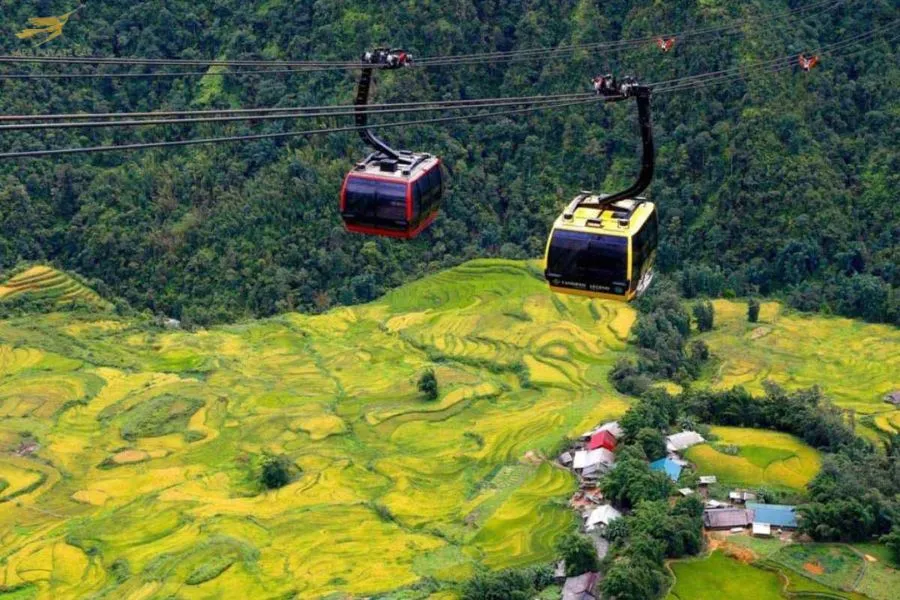
Hop aboard the modern Fansipan cable car and glide high above the picturesque Muong Hoa Valley. As you ascend to the “Roof of Indochina” at an altitude of 3,143 meters, you will be rewarded with a surreal, fairy-tale landscape of floating clouds and dramatic mountain peaks. At the summit, moreover, visitors can explore majestic spiritual temples and capture panoramic views of the Hoang Lien Son range. Therefore, this effortless journey lets travelers of all ages experience Sapa’s majestic beauty from above.
Trekking Through Muong Hoa Valley And Visiting Ethnic Villages (Lao Chai – Ta Van)
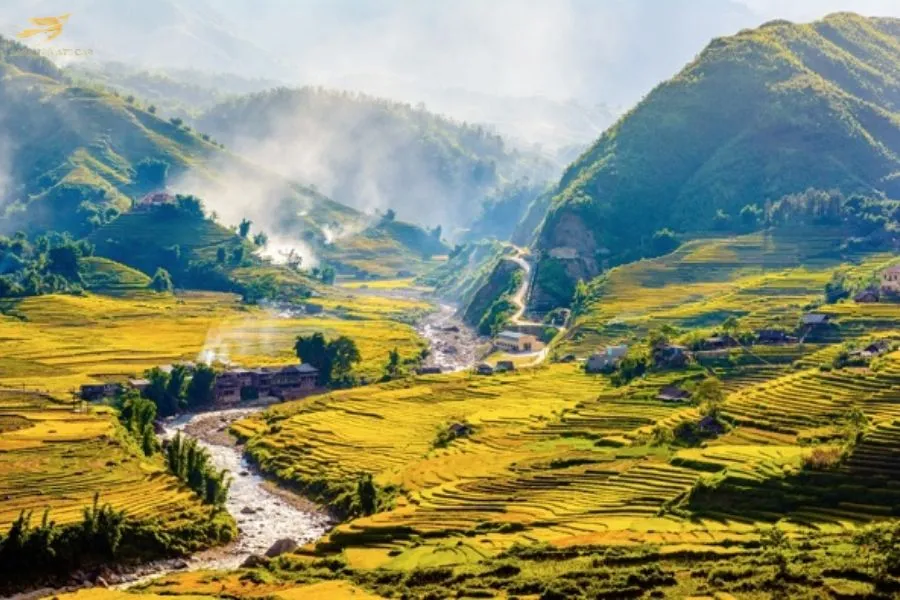
For a more immersive experience, trekking through the stunning Muong Hoa Valley is an absolute highlight for nature lovers. Following scenic trails past terraced rice paddies and streams leads you to traditional minority villages like Lao Chai and Ta Van. Staying overnight at a local homestay offers a wonderful opportunity to share meals and learn firsthand about the daily life of ethnic minority communities.
Cloud Hunting And Sightseeing At O Quy Ho Pass (Heaven’s Gate)
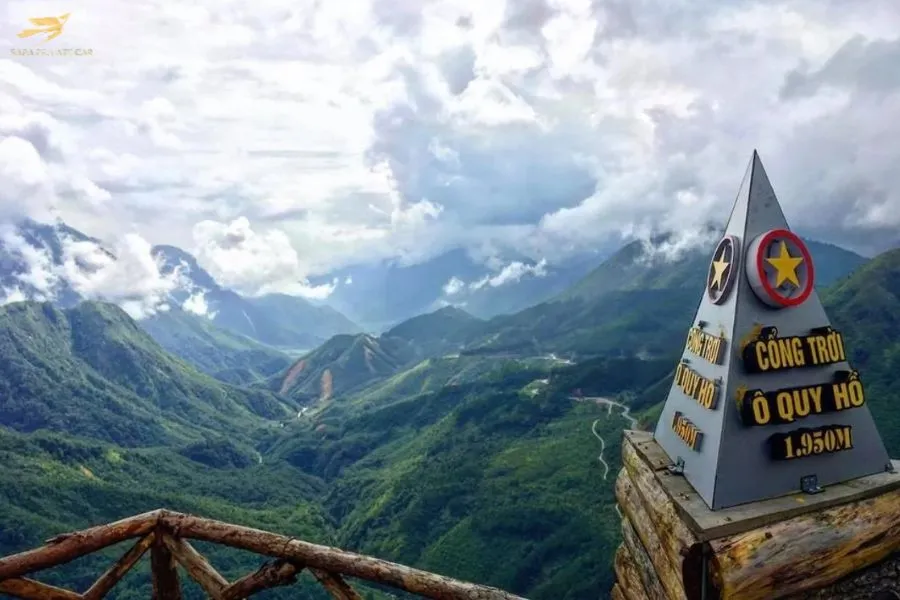
O Quy Ho Pass perches at nearly 2,000 meters high. Specifically, it is one of Vietnam’s most spectacular mountain passes and a legendary cloud-hunting spot. As a result, the summit offers breathtaking panoramic views of sweeping valleys and thick carpets of drifting clouds. Whether riding a motorbike or stopping by during a Hanoi to Sapa private car trip, experiencing the cool mountain breeze here is an absolute must.
Must-Try Local Food In Sapa
The Sapa culinary scene is as rich and diverse as its stunning mountain landscapes, blending traditional flavors of local ethnic minority groups with fresh mountain ingredients. Because of the cool year-round climate, the local food focuses heavily on warming, hearty dishes that are perfect after a day of outdoor exploration. Here are the must-try specialties you shouldn’t miss on your trip:
Sapa Salmon And Sturgeon Hotpot
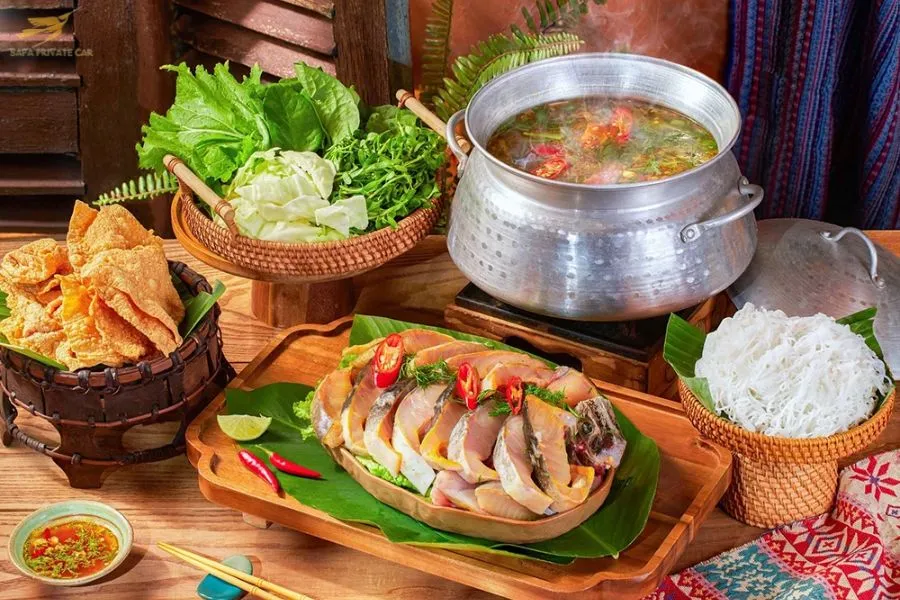
Raised in the icy mountain streams around the region, local salmon and sturgeon feature remarkably firm and sweet meat. Therefore, simmered in a steaming, sour-and-spicy herbal broth infused with local wild vegetables and fresh mushrooms, it is the ultimate comfort food to warm you up during Sapa’s chilly evenings.
Grilled Skewers & Bamboo Sticky Rice
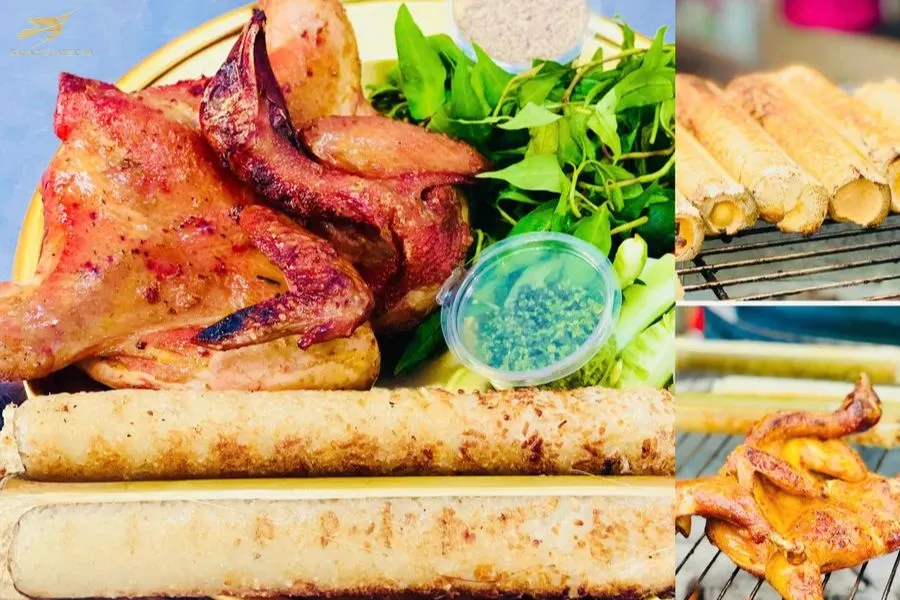
As night falls across the misty town, street-side stalls come alive with smoky, fragrant charcoal grills offering a wide variety of skewers, from vegetables and mushrooms wrapped in bacon to local free-range pork. Pairing these sizzling skewers with com lam—fragrant sticky rice baked inside fresh bamboo tubes—creates a wonderfully comforting and authentic highland meal.
Free-Range Pork & Black Chicken
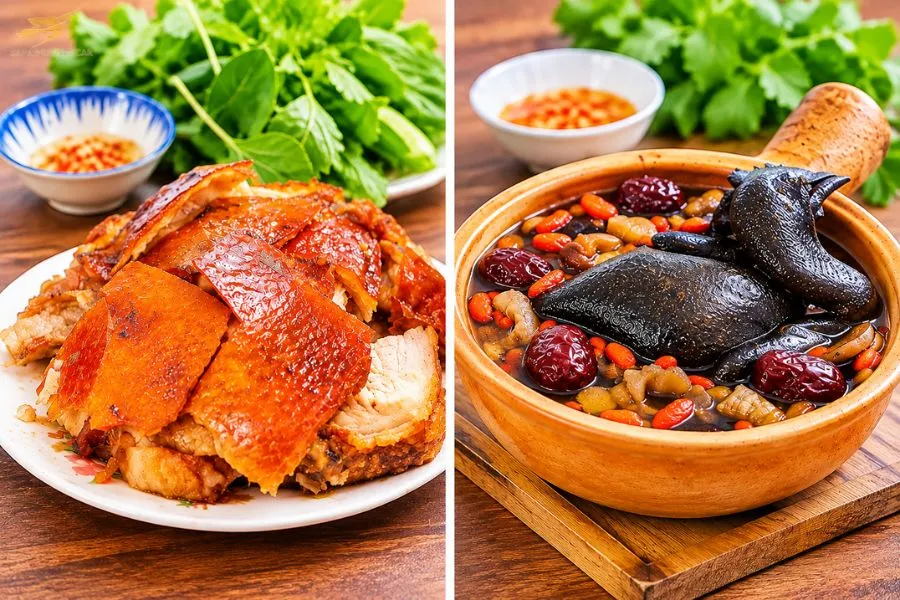
Sapa’s indigenous black chicken and free-range pork are famous for their tender, flavorful meat. Specifically, locals often marinate the meat with wild forest herbs before roasting it over glowing charcoal. As a result, each bite delivers a rich, smoky flavor that pairs wonderfully with a warm glass of local apple wine.
Chayote Tops
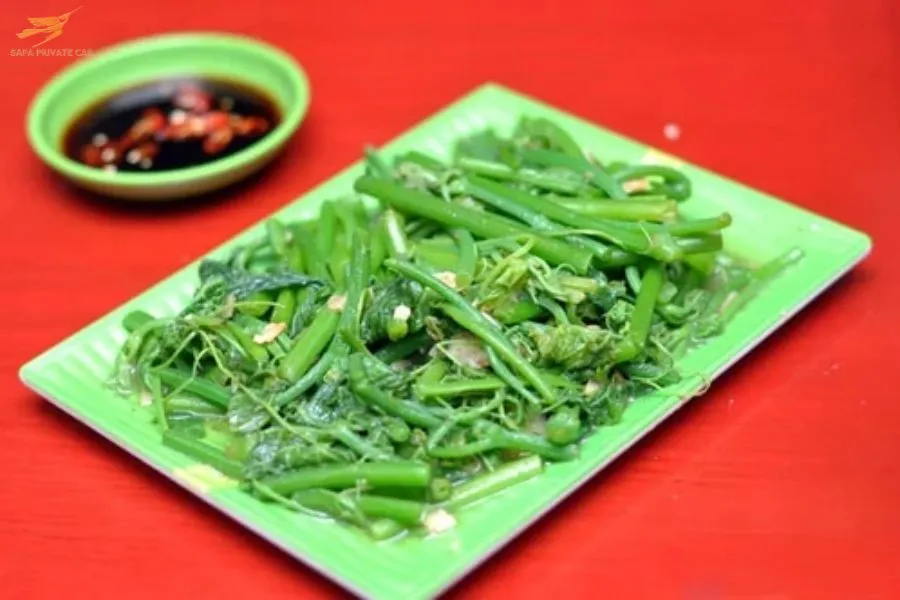
Grown abundantly across the terraced mountain slopes, chayote tops (ngon su su) are a beloved and refreshing green vegetable unique to the northern highlands. Tenderly picked and stir-fried over high heat with fragrant garlic and local pork fat or oil, they offer a crisp, naturally sweet crunch. Enjoying a simple plate of these freshly picked mountain greens is a quintessential part of any local family meal in Sapa.
Best Time To Visit Sapa In 2027
The misty land of Sapa holds a magical beauty, with each season bringing its own unique charm and offering fresh experiences to every traveler. Whether you want to witness golden terraced rice fields or hunt for winter snow, choosing the best time of year is key to an unforgettable trip:
March – May (Spring): Dry Weather & Blooming Flowers
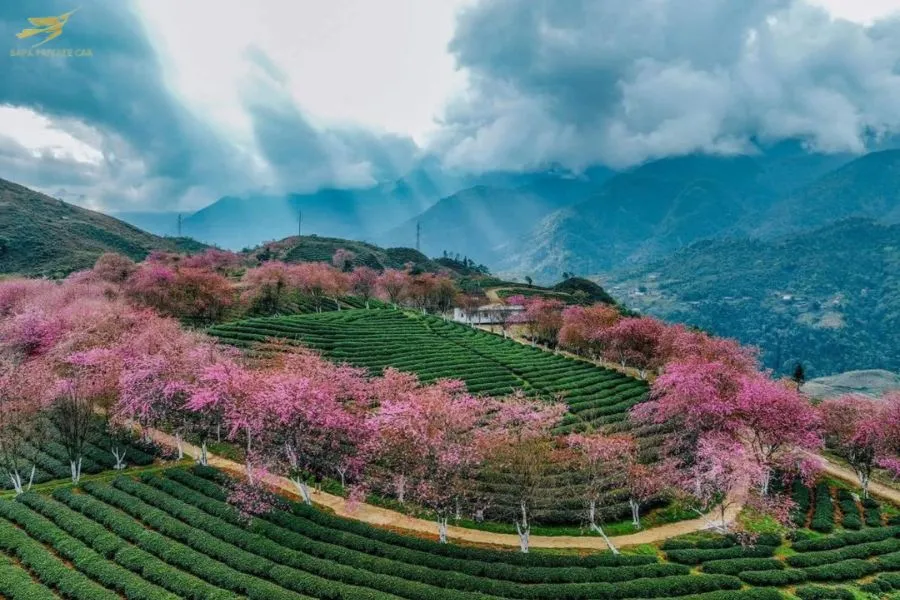
For instance, spring brings pleasantly dry weather and clear blue skies, making it one of the best times of the year for trekking and outdoor exploration. The mountain slopes come alive with vibrant, blooming peach and plum blossoms that paint the valleys in breathtaking color. It is an ideal season for travelers looking to enjoy mild daytime temperatures and comfortable sightseeing conditions.
June – August (Summer): Lush Green Rice Terraces
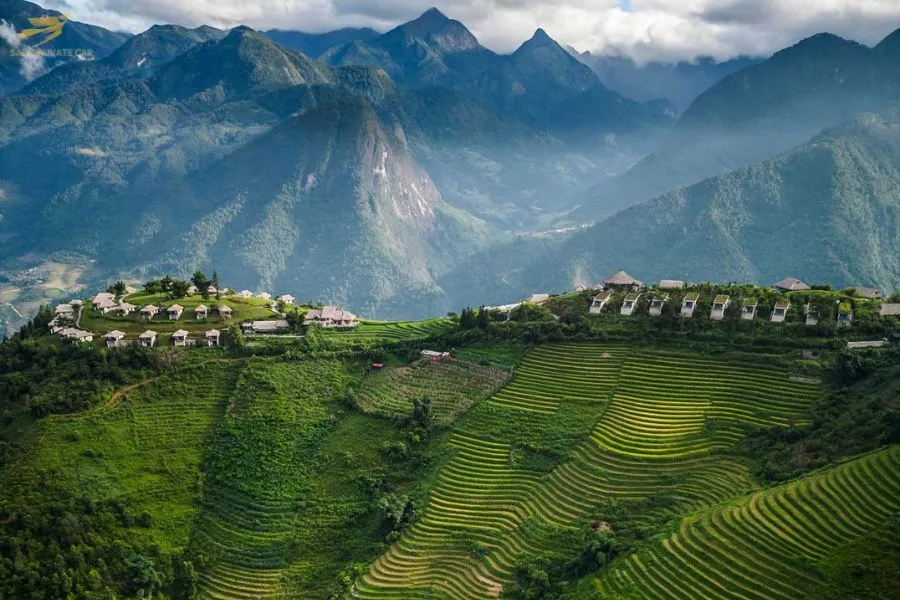
Summer brings a refreshing escape from the sweltering lowland heat, offering cool mountain breezes and vibrant landscapes. During these months, the terraced rice fields transform into vast, shimmering carpets of lush, emerald green. While occasional afternoon rain showers can occur, they quickly clear up to reveal dramatic mountain views and lush, thriving nature.
September – October (Autumn): Golden Harvest Season (Best Time Of The Year)
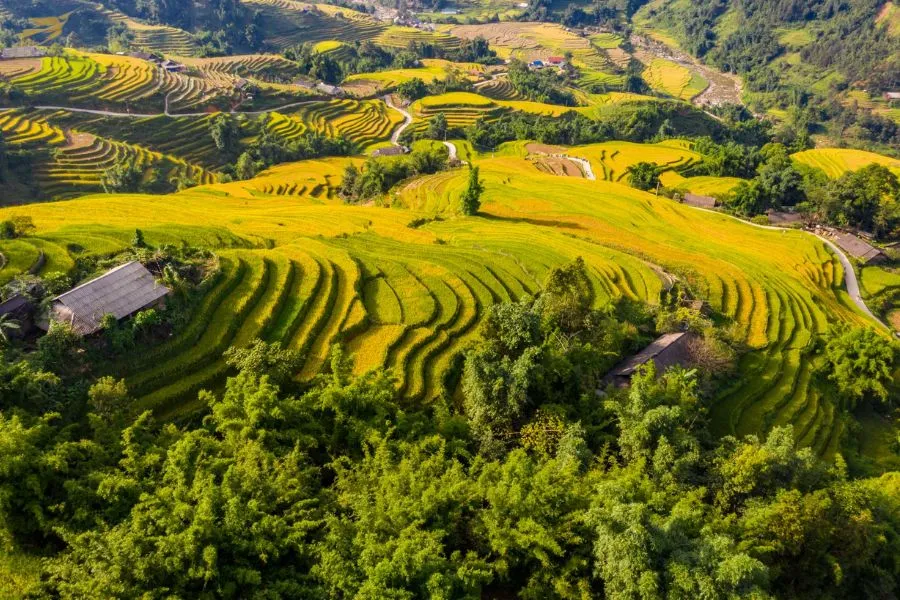
Autumn is widely considered the absolute best time to visit Sapa. The valley transforms into breathtaking waves of shimmering, golden rice terraces ready for harvest. Furthermore, the weather remains cool, crisp, and exceptionally dry, providing ideal conditions for photography, trekking, and exploring the remote hill-tribe villages. Undoubtedly, witnessing the golden mountain slopes under clear autumn skies is an unforgettable experience that attracts travelers from all over the world.
November – February (Winter): Cloud Hunting & Chilly European Vibes
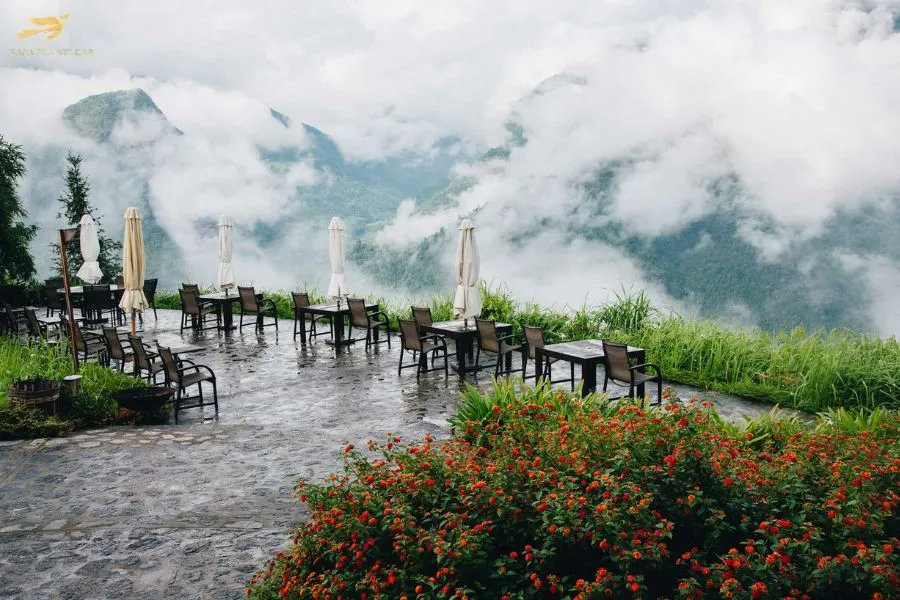
Winter transforms Sapa into a chilly, mystical wonderland wrapped in thick mountain fog and dramatic blankets of clouds. For example, temperatures can drop significantly, occasionally dipping below freezing on the highest peaks, creating rare chances to experience frost or even winter snow. Consequently, it is the ultimate season for cozying up by a warm fire, enjoying steaming hot pots, and experiencing a unique, romantic European vibe in the highlands.
Entrance Fees To Visit Sapa
To help you plan your travel budget smoothly, here is a quick overview of the updated entrance fees for Sapa’s top attractions:
| Tourist Attraction | Ticket Prices | Suitable Activities |
| Sapa Stone Church & Love Market | Free | Strolling around town, soaking in the evening atmosphere, shopping for handicrafts, and trying street food. |
| Cat Cat Village | Adult: 150,000 VND
Children: 70,000 VND (1m–1.4m; free under 1m) |
Sightseeing at wooden stilt houses and waterfalls, renting traditional H’Mong outfits, watching cultural shows. |
| Fansipan Peak (Cable Car) | Adult: 850,000 VND
Children: 550,000 VND (1m–1.4m; free under 1m) |
Gliding over Muong Hoa Valley, conquering the “Roof of Indochina,” visiting spiritual temples, and cloud hunting. |
| Muong Hoa Valley (Lao Chai – Ta Van) | Adult: 75,000 VND
Children: 50,000 VND (depending on height) |
Trekking past terraced rice fields and streams, exploring ethnic minority villages, and staying overnight at local homestays. |
| O Quy Ho Pass (Heaven’s Gate) | Adult: Free (Pass) / 120,000 VND (Heaven’s Gate)
Children: Free (Pass) / 60,000 VND (Heaven’s Gate) |
Cloud hunting at sunrise or sunset, scenic sightseeing, and capturing panoramic mountain photography. |
How Many Days Should You Spend In Sapa?
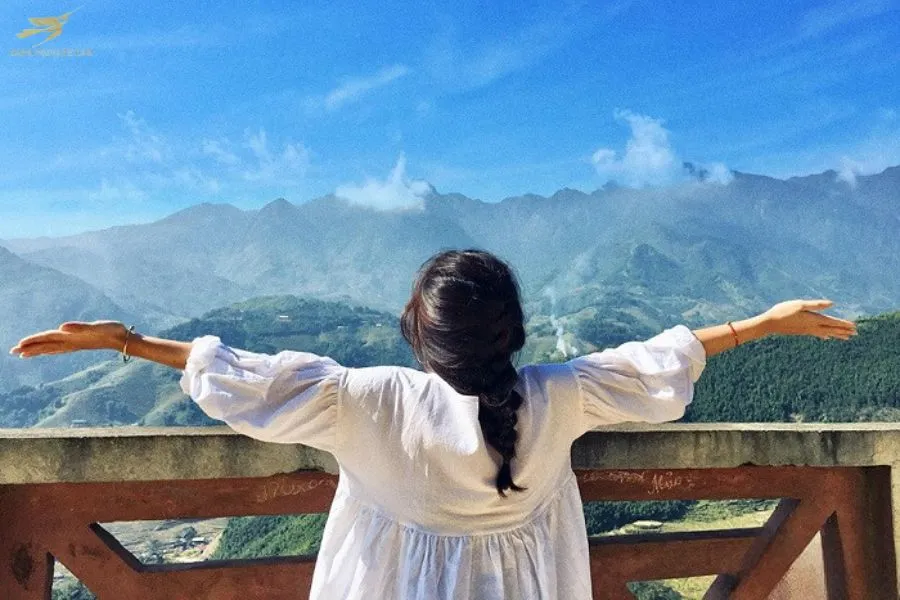
If you are wondering how many days in Sapa, the ideal length of stay is 3 days and 2 nights. Specifically, this timeframe gives you enough time to enjoy the major highlights without rushing, especially since the journey from Hanoi takes around 5 to 6 hours each way. Depending on your itinerary, here is how to plan your time:
- 2 Days / 1 Night (Quick Highlights): Best for travelers on a tight schedule. You can ride the cable car up to Fansipan Peak, explore Cat Cat Village, and enjoy a stroll through Sapa town at night.
- 3 Days / 2 Nights (Ideal Balance): The sweet spot for most visitors. Alongside Fansipan and town sightseeing, you have a full day for trekking through Muong Hoa Valley (Lao Chai–Ta Van) and staying overnight at a local homestay.
- 4 Days or More (Slow Travel & Off-the-Beaten-Path): Great for avid trekkers and photography lovers who want to explore quieter areas like Ta Phin Village, Silver Waterfall, O Quy Ho Pass, or Bac Ha Sunday Market.
In addition, travelers who wish to continue their journey after exploring Sapa can check out our private car services from Sapa to other popular tourist destinations, such as:
- Sapa To Ha Giang By Private Car Transfer – 125 USD per car
- Sapa To Hai Phong Private Service – 167 USD per car
- Private Car Transfer From Sapa To Hanoi – 149 USD per car
Essential Tips For Tourist
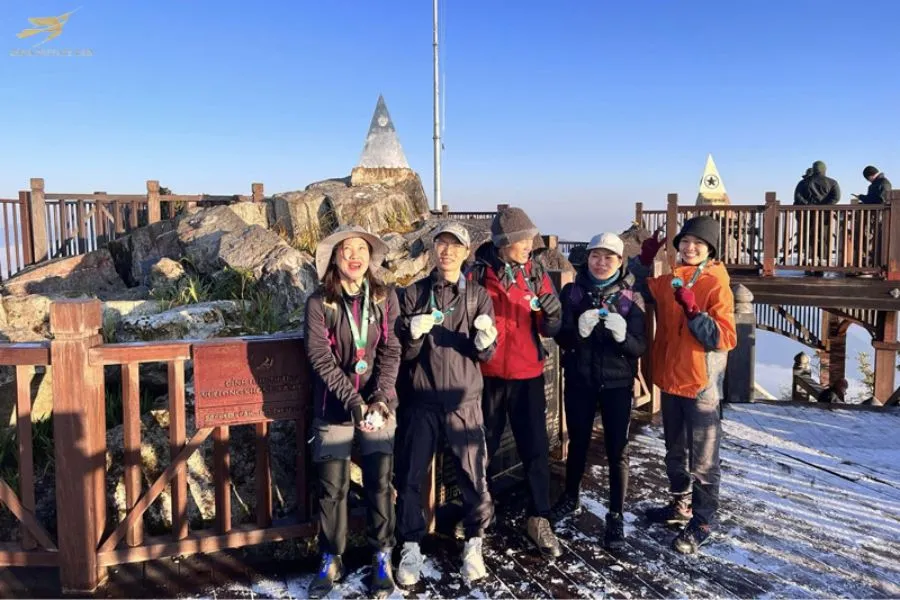
To help you enjoy a smooth and memorable trip to Sapa, here are some useful tips to keep in mind:
- Book Transportation and Accommodation Early: Sapa gets busy during weekends, holidays, and peak travel seasons. Book your transfer and accommodation in advance to secure your preferred options.
- Bring Warm Clothing: Sapa can be chilly, especially in the early morning and evening. Pack a warm jacket, even if you visit during the warmer months.
- Check the Weather Forecast: Mountain weather can change quickly, so check the forecast before outdoor activities and prepare for rain or fog.
- Wear Comfortable Shoes: Bring sturdy walking shoes or sneakers if you plan to trek through villages, rice terraces, or mountain trails.
- Prepare for Trekking: Carry drinking water, snacks, sunscreen, and a small backpack for day trips around Sapa.
- Bring Some Cash: Keep Vietnamese dong handy for local food, entrance fees, souvenirs, and small purchases in villages where card payments may not be available.
- Respect Local Culture: Ask permission before taking photos of local residents, dress appropriately when visiting cultural or religious sites, and respect local customs.
- Protect Your Personal Belongings: Keep your phone, wallet, passport, and other valuables secure, especially in crowded markets and tourist areas.
FAQs
- How Many Days In Sapa Are Ideal?
-> A 3-day/2-night itinerary is the recommended duration to fully explore the town, trek through the valleys, and conquer Fansipan Peak without feeling rushed.
- Is Sapa Suitable For Family Travel?
-> Yes, Sapa offers gentle walking trails, comfortable private transfers, and breathtaking scenery suitable for travelers of all ages.
- When Is The Best Time To See The Golden Rice Terraces?
-> Late September to mid-October is the premier window to witness the valleys blanketed in vibrant, ripe golden rice ready for harvest.